
Small Entryway Design Ideas: 10 Best Space-Saving Solutions
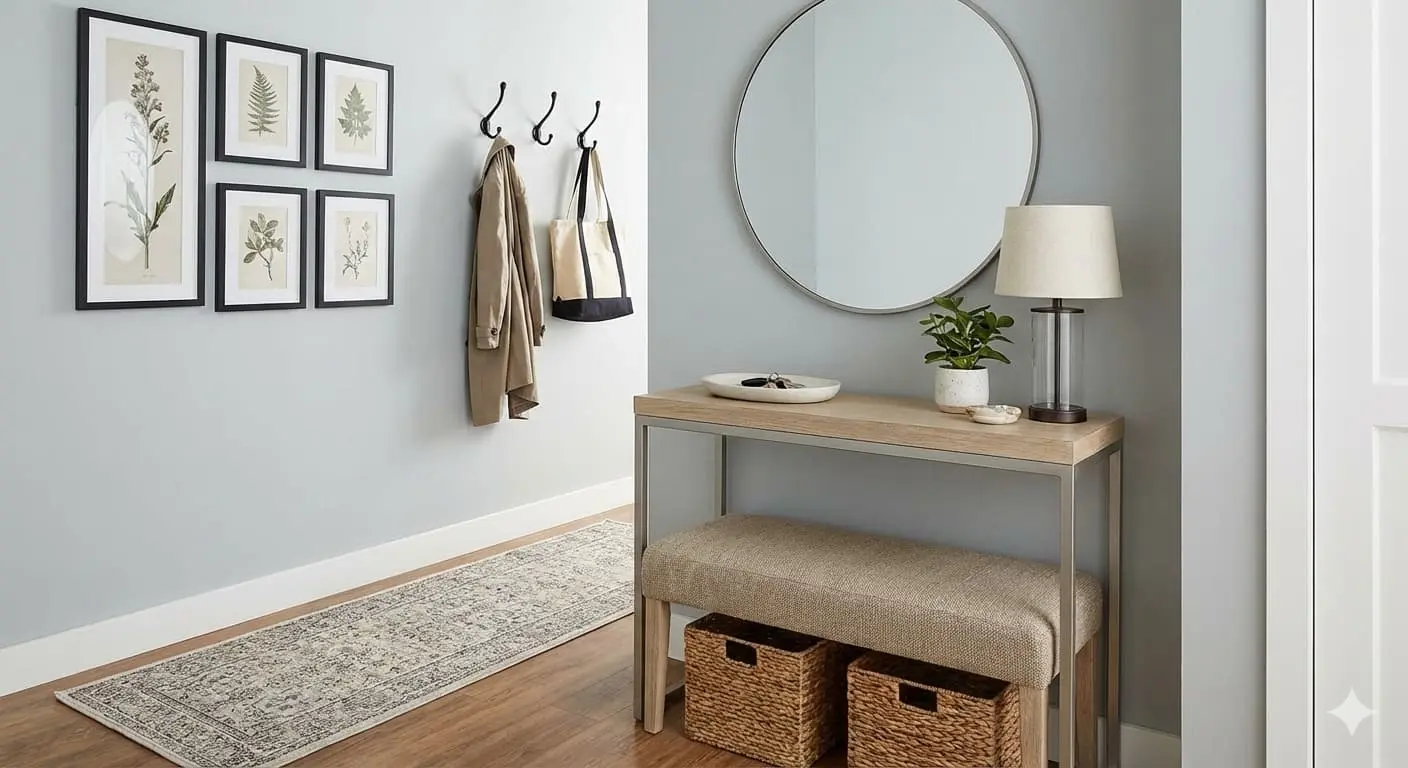
A small entryway can feel like a daily challenge. It’s the first place you see when you walk into your home and the last space you pass before leaving. Yet when space is limited, this area often becomes cluttered, overlooked, or poorly organized. Shoes pile up, bags land on the floor, and keys seem to disappear at the worst moments.
The good news is that a small entryway doesn’t need more square footage to work better. It needs intention. With the right small entryway design ideas, you can create a space that feels calm, organized, and welcoming—even when every inch counts. This guide breaks down practical solutions that focus on function first, without sacrificing style or comfort.
Why Small Entryway Design Matters More Than You Think
Your entryway plays a bigger role in daily life than most rooms in your home. It handles constant movement, outdoor mess, and everyday essentials. When this space isn’t designed well, small problems quickly turn into daily frustrations.
A well-planned entryway helps you:
- Start and end your day with less stress
- Keep clutter from spreading into the rest of your home
- Create a strong first impression for guests
- Improve traffic flow in tight layouts
Small entryway design ideas focus on efficiency. Instead of adding more furniture, they prioritize smarter placement, multi functional pieces, and visual balance.
Core Principles Behind Effective Small Entryway Design Ideas
Before choosing furniture or decor, it’s important to understand the principles that guide successful small-space design.
Function Comes First
Every item in your entryway should serve a purpose. Decorative pieces are fine, but they should never interfere with storage, movement, or access.
Vertical Space Is Essential
When floor space is limited, walls become your most valuable asset. Hooks, shelves, and mounted storage reduce clutter without narrowing walkways.
Visual Lightness Matters
Bulky furniture can make a small entryway feel cramped. Slim profiles, open frames, and raised legs keep the space feeling open and breathable.
10 Best Small Entryway Design Ideas for Tight Spaces
1. Wall-Mounted Consoles Instead of Bulky Tables
Traditional entry tables often take up more room than necessary. A wall-mounted console provides the same surface area without crowding the floor.
Benefits include:
- Extra floor visibility, which makes the space feel larger
- A clear spot for keys, mail, or a small lamp
- Easier cleaning underneath
This is one of the most practical small entryway design ideas for narrow hallways or apartment entrances.
2. Vertical Shoe Storage Cabinets
Shoes are one of the biggest sources of entryway clutter. Vertical shoe cabinets store footwear upright, reducing their footprint dramatically.
Why they work:
- Slim depth fits behind doors or along narrow walls
- Closed storage keeps the area visually clean
- Easy access without bending or stacking
This solution is especially useful for households with daily shoe rotation.
3. Entryway Benches with Built-In Storage
A bench offers more than just a place to sit. When combined with storage, it becomes one of the most efficient pieces you can add.
Look for benches that offer:
- Lift-top compartments for seasonal items
- Cubby-style storage for shoes or baskets
- Narrow proportions to maintain walkway space
This approach supports comfort without adding visual clutter.
4. Hooks and Peg Rails Instead of Coat Racks
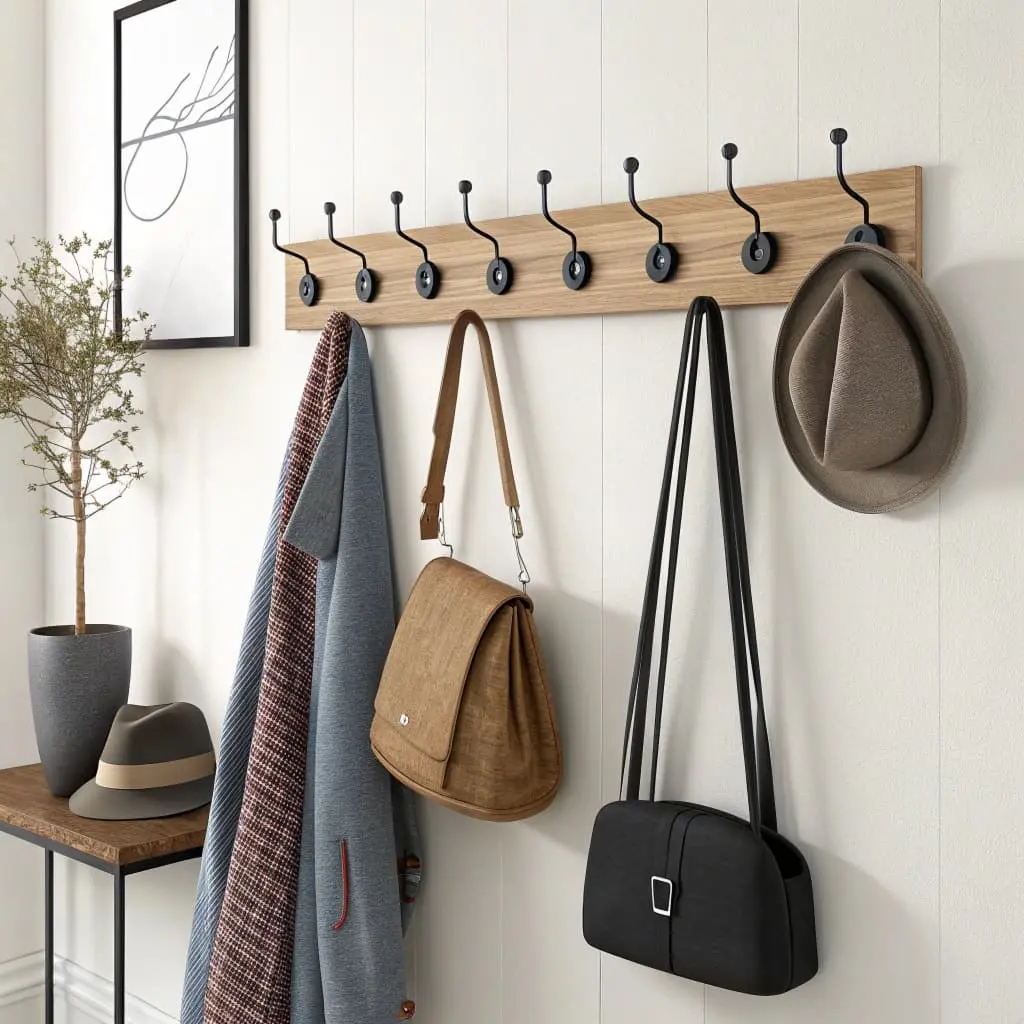
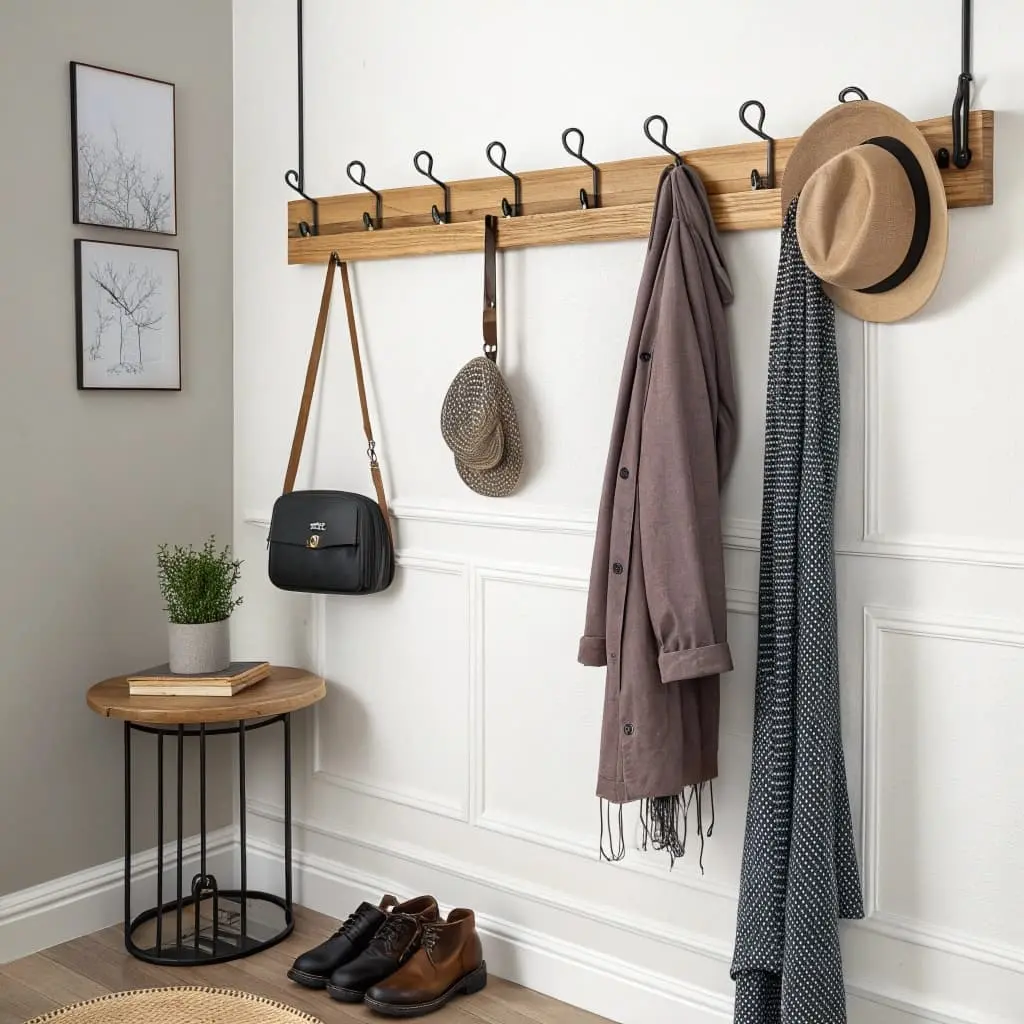
Standing coat racks can overwhelm small entryways. Wall-mounted hooks or peg rails provide the same function with better space control.
Advantages include:
- Adjustable height for adults and children
- Cleaner sightlines
- Better traffic flow
Spacing hooks evenly also prevents coats from overlapping and creating visual chaos.
5. Mirrors That Expand the Space Visually
Mirrors are one of the most effective small entryway design ideas because they enhance light and depth without adding physical bulk.
A well-placed mirror can:
- Reflect natural or artificial light
- Make narrow spaces feel wider
- Serve a functional purpose before leaving the house
For best results, choose a mirror proportional to the wall rather than oversized.
6. Slim Open Shelving for Daily Essentials
Open shelves keep frequently used items accessible while maintaining a lighter look than cabinets.
Use shelving for:
- Wallets, keys, and sunglasses
- Small baskets to group loose items
- Minimal decorative accents
Limiting shelf depth prevents the space from feeling crowded.
7. Built-In Storage Niches (When Possible)
If your home allows for light renovation, recessed storage niches can dramatically improve functionality.
They work well because:
- They use unused wall depth
- They feel integrated rather than added
- They maintain clean lines
This option is ideal for long-term homes rather than rentals.
8. Multi functional Furniture Pieces
Multi functional furniture reduces the number of items needed in your entryway, which is essential in small spaces.
Examples include:
- Mirror cabinets with hidden storage
- Benches that double as shoe racks
- Shelves with integrated hooks
These small entryway design ideas maximize usefulness without visual overload.
9. Baskets and Bins for Flexible Storage
Not every item needs a fixed home. Baskets provide adaptable storage that can change with your routine.
They are useful for:
- Gloves, scarves, and hats
- Pet accessories
- Mail and small packages
Choose materials that match your decor to keep the space cohesive.
10. Light Color Palettes That Open the Space
Color plays a major role in how large or small a space feels. Light tones reflect more light and reduce visual boundaries.
Effective choices include:
- Soft whites
- Light grays
- Warm neutrals
- Natural wood finishes
Dark accents can still be used sparingly to add structure and contrast.
Common Mistakes to Avoid in Small Entryway Design
Even well-intentioned design choices can backfire in tight spaces.
Avoid these common issues:
- Oversized furniture that blocks movement
- Too many decorative objects
- Poor lighting that creates shadows
- Ignoring vertical storage options
Good small entryway design ideas simplify rather than complicate.
Materials and Finishes That Work Best in Small Entryways
| Element | Best Materials | Why It Works |
|---|---|---|
| Flooring | Tile, vinyl, sealed wood | Durable and easy to clean |
| Storage | Light wood, metal frames | Visually light and strong |
| Hooks | Matte black, brass | Durable and timeless |
| Baskets | Wicker, fabric | Flexible and affordable |
Choosing practical materials ensures your entryway stays functional over time.
Styling Small Entryways Without Overcrowding
Styling should enhance function, not compete with it.
Follow these guidelines:
- Use one focal element only
- Keep decor proportional to wall size
- Repeat materials and colors for cohesion
Restraint is key in small entryway design ideas.
Apartment vs. House Entryway Design
Apartment-Friendly Solutions
- Removable hooks
- Freestanding narrow furniture
- Command-mounted mirrors
Permanent Home Solutions
- Built-in benches
- Custom cabinetry
- Recessed shelving
Your approach should match your living situation.
FAQ: Small Entryway Design Ideas
What are the best small entryway design ideas for apartments?
The most effective small entryway design ideas for apartments focus on flexibility and minimal impact. Because rentals often limit drilling or permanent changes, removable solutions work best. Wall-mounted hooks with adhesive backing, slim freestanding shoe cabinets, and over-the-door organizers allow you to create structure without damaging walls. Vertical storage is especially important, as it keeps floors clear while maximizing usable space. These approaches help you stay organized while remaining renter-friendly and easy to update when your needs change.
How do you make a small entryway look bigger?
One of the smartest small entryway design ideas is to improve how the space feels, not just how it functions. Mirrors reflect light and create the illusion of depth, making narrow entryways feel more open. Light wall colors and finishes prevent the area from feeling boxed in, while minimal furniture keeps visual weight low. Leaving floor space visible is equally important—it allows the eye to move freely, which naturally makes the entryway appear larger and less crowded.
Can small entryways still look stylish?
Yes, and some of the most stylish homes rely on simple, well-executed small entryway design ideas. Style comes from balance rather than decoration. When storage solutions are clean-lined and thoughtfully placed, the space feels intentional instead of cluttered. A limited color palette, consistent materials, and one or two carefully chosen accents can elevate the entryway without overwhelming it. Practical design choices often lead to the most visually appealing results.
How much furniture should a small entryway have?
A small entryway works best when furniture is limited to what supports your daily routine. The most successful small entryway design ideas prioritize essentials such as a place to store shoes, hang outerwear, and set down keys. Anything beyond that should be carefully evaluated. Extra furniture may seem helpful at first, but it often reduces movement and creates visual noise. When each piece has a clear purpose, the space feels calmer, more organized, and easier to use every day.
Conclusion: Designing a Small Entryway That Works for You
A small entryway doesn’t need to feel limiting. With thoughtful planning and the right small entryway design ideas, you can transform this overlooked space into one of the most functional areas in your home. When storage, flow, and visual balance work together, even the smallest entryway can feel intentional and welcoming.
Start with one improvement, observe how it changes your daily routine, and build from there. Small changes, when done well, create lasting impact.