
Living Room Furniture Layouts: 7 Common Mistakes to Avoid
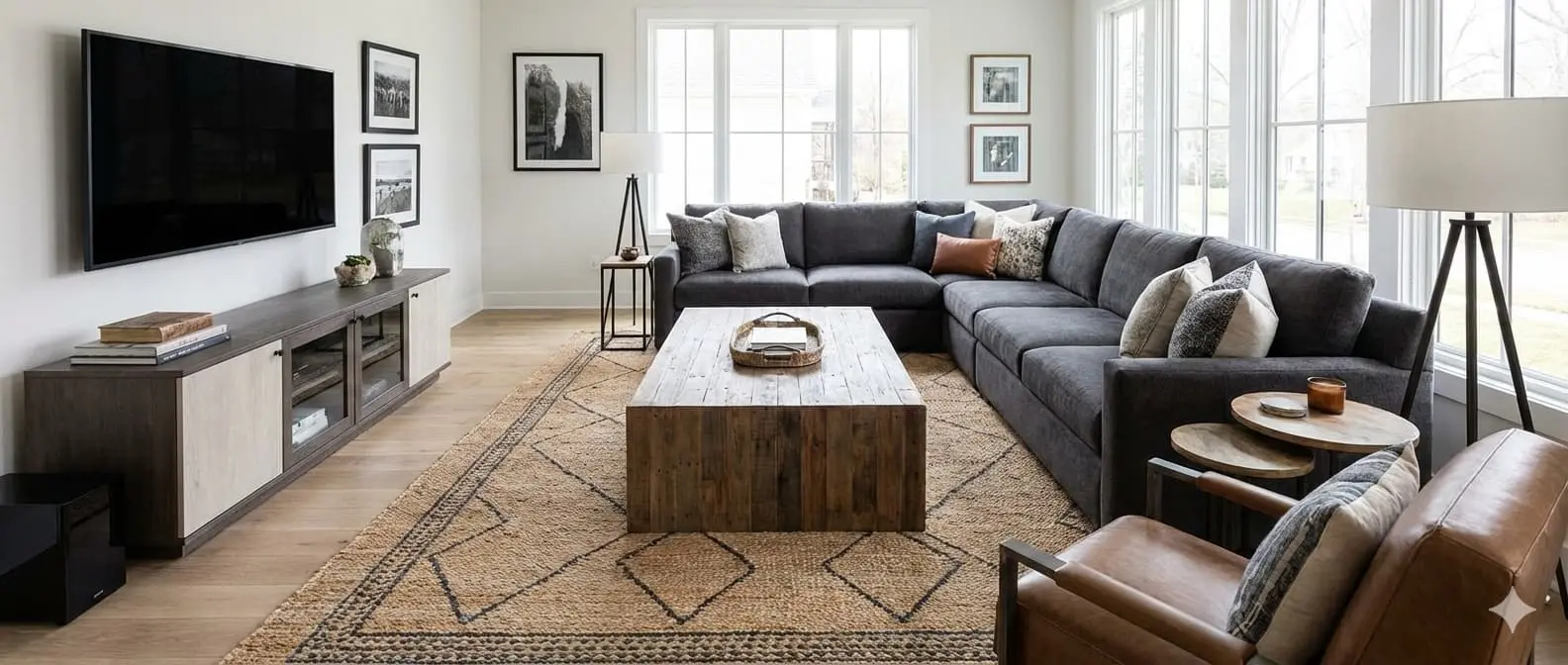
Designing a living room often feels harder than it should. You invest time choosing furniture you like, yet something still feels uncomfortable, crowded, or unfinished. The issue is rarely the furniture itself. In most cases, the problem lies in how everything is arranged.
Living room furniture layouts shape how you move, relax, and connect with others in the space. A poor layout can make even a large room feel awkward, while a thoughtful one can transform a small area into a comfortable, functional retreat. Understanding common layout mistakes helps you avoid frustration and make smarter decisions using what you already own.
This guide walks you through seven common living room furniture layout mistakes and shows you how to correct them in a practical, realistic way.
Why Living Room Furniture Layouts Matter More Than Furniture Itself
Furniture choices often get the most attention, but layout determines how your living room actually works. The placement of seating, tables, and focal points influences comfort, flow, and visual balance more than style or price.
When living room furniture layouts are well planned, you experience:
- Easier movement through the room
- Better conversation and interaction
- Clear visual structure
- A sense of calm rather than clutter
Poor layouts usually lead to:
- Blocked walkways
- Awkward seating distances
- Rooms that feel smaller than they are
Layout planning is not about strict rules. It is about understanding how people use the space and arranging furniture to support that use.
Mistake #1 – Pushing All Furniture Against the Walls
One of the most common mistakes in living room furniture layouts is placing every piece directly against the walls. This often comes from the belief that more open floor space automatically makes a room feel larger.
Why This Layout Feels Empty or Awkward
When furniture hugs the walls:
- Seating feels disconnected
- Conversation becomes uncomfortable
- The center of the room feels unused
Instead of openness, the room can feel cold or unfinished.
Better Living Room Furniture Layout Alternatives
You can improve balance by:
- Pulling sofas and chairs inward to define a seating area
- Using a rug to visually anchor furniture
- Leaving intentional space behind furniture rather than filling walls
Even small adjustments—moving a sofa forward by a few inches—can dramatically improve how the room feels.
Mistake #2 – Ignoring the Room’s Natural Focal Point
Every living room has at least one natural focal point. Ignoring it often results in confusion and visual tension.
What Counts as a Focal Point?
A focal point can be:
- A fireplace
- A television wall
- A large window with a view
- An architectural feature
The focal point gives the room direction.
How to Align Living Room Furniture Layouts Around It
To fix this mistake:
- Arrange seating to face or acknowledge the focal point
- Avoid positioning furniture at awkward angles without purpose
- Limit competing focal points
Your layout should guide the eye naturally, not force it to choose where to rest.
Mistake #3 – Blocking Traffic Flow
Living room furniture layouts must support movement. When traffic flow is blocked, the room becomes frustrating to use.
Signs Your Layout Disrupts Movement
You may notice:
- Tight walkways
- Furniture you constantly walk around
- Guests cutting through seating areas
These issues affect daily comfort more than aesthetics.
Fixing Traffic Flow in Living Room Furniture Layouts
Improve movement by:
- Leaving at least 30–36 inches for main walkways
- Keeping pathways clear between doors and seating
- Using angled furniture when straight lines feel forced
Movement should feel natural, not planned.
Mistake #4 – Choosing Furniture That’s the Wrong Scale
Scale is one of the most misunderstood aspects of living room furniture layouts. Even stylish pieces can fail if their size doesn’t match the room.
Oversized vs Undersized Furniture Problems
Oversized furniture can:
- Overwhelm small rooms
- Reduce walking space
Undersized furniture can:
- Feel lost in large rooms
- Create imbalance
Scale Rules for Balanced Living Room Furniture Layouts
To maintain proportion:
- Match furniture size to room dimensions
- Balance heavy pieces with lighter visual elements
- Avoid filling every corner with furniture
Scale is about harmony, not filling space.
Mistake #5 – Placing the TV Too High or Too Far
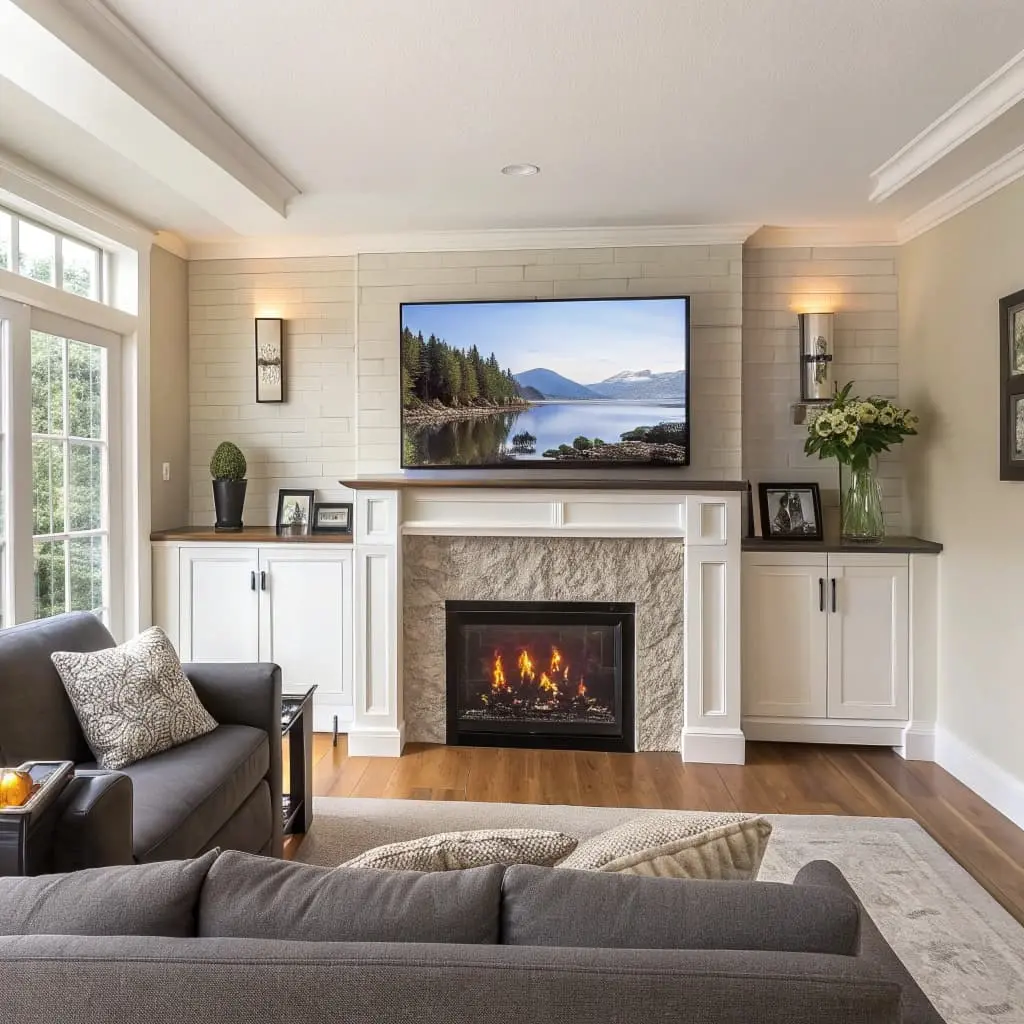
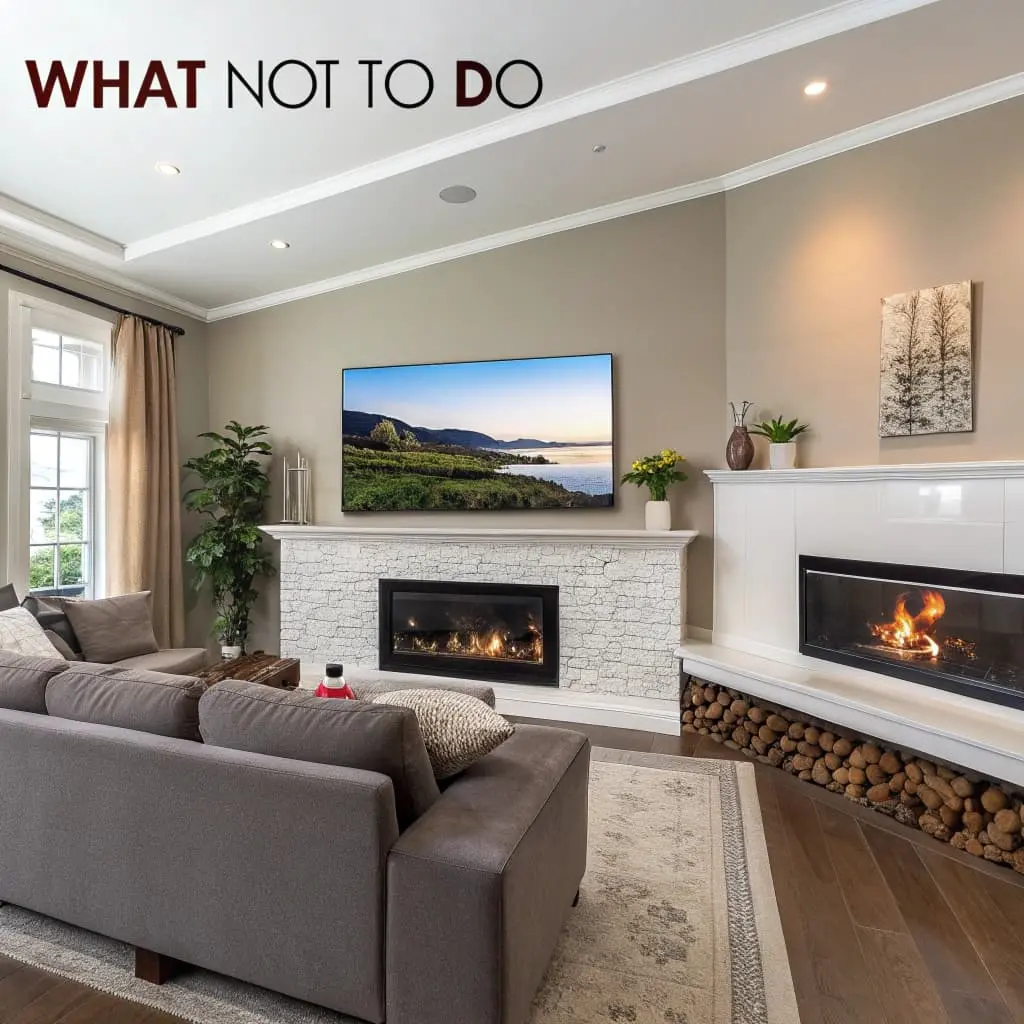
Television placement plays a major role in comfort. Poor placement often leads to neck strain and awkward seating.
Comfort Issues Caused by Poor TV Placement
Common problems include:
- Mounting the TV too high
- Sitting too far or too close
- Seating that doesn’t align with the screen
Smart TV Placement in Living Room Furniture Layouts
For better viewing:
- Position the screen at seated eye level
- Arrange seating within a comfortable viewing distance
- Angle chairs slightly if the room layout requires flexibility
Comfort should always come before visual symmetry.
Mistake #6 – Forgetting Conversation Zones
Living rooms are social spaces, yet many layouts ignore this purpose.
Why Conversation Should Guide Your Layout
Without a clear seating relationship:
- Conversations feel forced
- Guests sit too far apart
- The room feels less inviting
Creating Functional Seating Arrangements
Improve interaction by:
- Facing seating toward each other
- Keeping chairs within conversational distance
- Using coffee tables or ottomans as anchors
Conversation zones bring warmth and connection to living room furniture layouts.
Mistake #7 – Overcrowding the Space
Adding too much furniture is a common reaction to empty space, but it often creates discomfort.
When “More Furniture” Becomes a Problem
Overcrowded rooms feel:
- Visually noisy
- Hard to move through
- Stressful rather than relaxing
Simplifying Living Room Furniture Layouts
To restore balance:
- Prioritize essential pieces
- Choose multifunctional furniture
- Allow negative space to exist
Space is not wasted when it improves comfort.
Living Room Furniture Layout Checklist
| Layout Element | Recommended Guideline | Common Issue |
|---|---|---|
| Walkways | 30–36 inches | Blocked paths |
| Seating distance | 6–10 feet | Seats too far apart |
| Rug size | Front legs on rug | Rug too small |
| TV height | Eye level seated | Mounted too high |
Use this table as a quick reference when adjusting your layout.
How to Fix a Bad Living Room Furniture Layout Without Buying New Furniture
Before replacing furniture, try rearranging. Many layout problems can be solved without spending money.
You can:
- Rotate furniture to change flow
- Remove unnecessary pieces temporarily
- Test layouts for a few days before committing
Living room furniture layouts improve through observation and adjustment, not instant perfection.
Frequently Asked Questions About Living Room Furniture Layouts
What is the best living room furniture layout for small spaces?
Focus on scale, light, and clear pathways. Choose fewer pieces and keep movement open.
How do living room furniture layouts affect room size perception?
Good layouts make rooms feel larger by improving flow and reducing visual clutter.
Can living room furniture layouts work without a sofa?
Yes. Chairs, benches, or modular seating can work when arranged intentionally.
How often should you update your living room furniture layout?
When your lifestyle changes or the room no longer feels comfortable—not because of trends.
Conclusion: Create Living Room Furniture Layouts That Work for You
Living room furniture layouts shape your daily experience more than any decorative detail. Avoiding common mistakes allows your space to feel balanced, comfortable, and welcoming—no matter its size.
You don’t need new furniture to improve your living room. You need awareness, patience, and a willingness to adjust. Start with one change, observe how the room feels, and build from there.
Take a moment today to look at your living room with fresh eyes. One thoughtful adjustment could completely change how you enjoy the space.