
Outdoor Cushion Fabric: 7 Best Durable & Fade-Resistant Picks
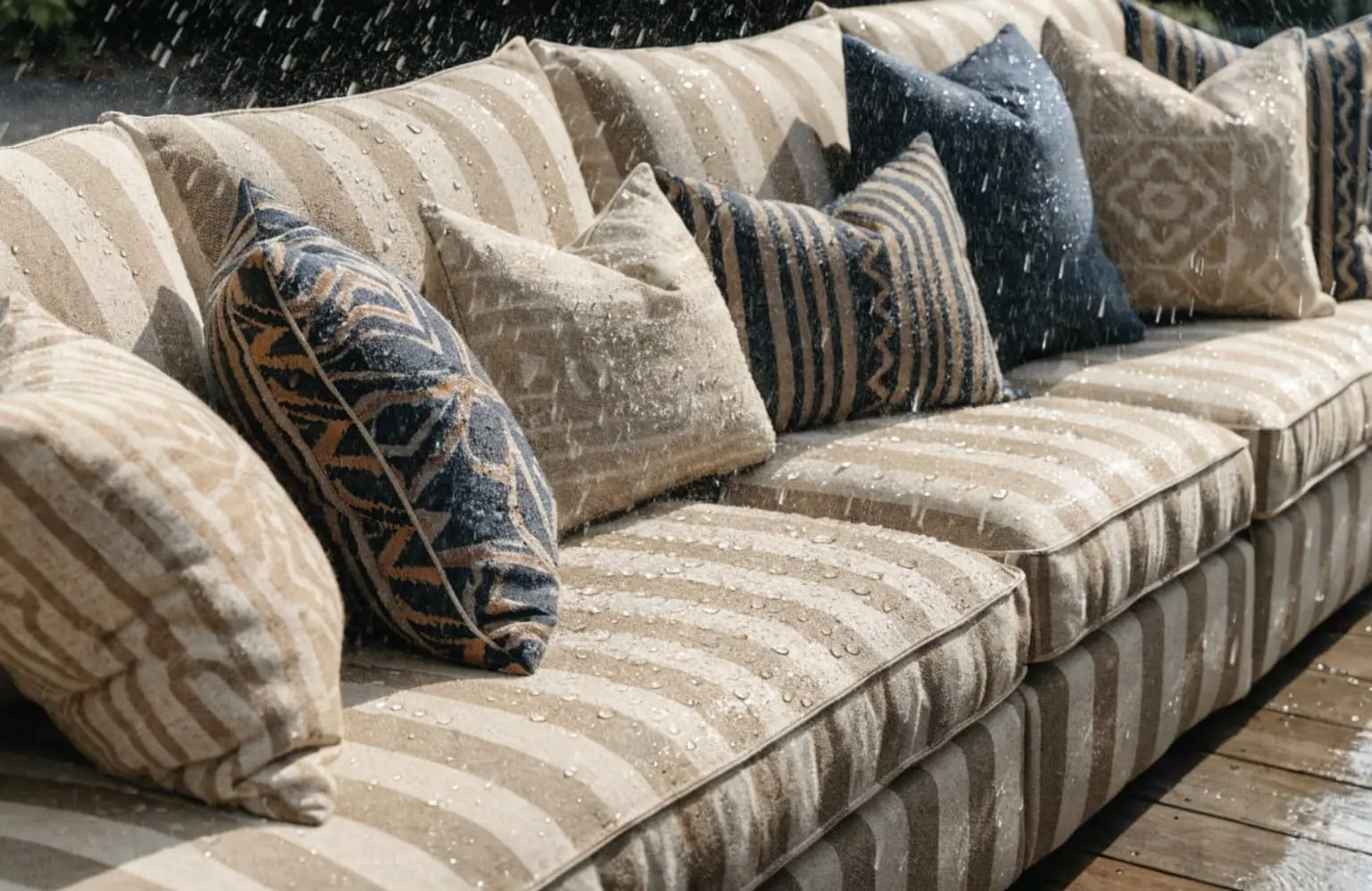
Your Outdoor Space Looks Good… Until It Doesn’t
You spend time setting up your outdoor area. Maybe you’ve got a clean patio, a nice seating arrangement, and cushions that look perfect on day one.
Then reality hits.
The sun starts fading the color. Moisture creeps in. The fabric loses strength. What looked premium suddenly feels worn and cheap.
That’s not bad luck—it’s a material problem.
Choosing the right outdoor cushion fabric isn’t about aesthetics. It’s about survival. If the fabric can’t handle sun, heat, and moisture, it will fail. Quickly.
This guide helps you avoid that mistake and choose materials that actually last.
What Makes Outdoor Fabrics Different
Outdoor textiles are engineered to handle conditions that destroy regular materials.
Instead of focusing only on softness or design, they prioritize resistance:
- UV exposure
- Water penetration
- Mold and mildew
- Structural breakdown
Why Regular Fabric Fails Outside
If you use indoor materials outdoors, expect:
- Rapid fading under sunlight
- Water absorption leading to bad odors
- Fiber weakening over time
Outdoor-grade materials are treated or constructed differently. Some are dyed at the fiber level, others coated for protection.
That’s the difference between replacing cushions every season… and keeping them for years.
Key Features You Should Not Ignore
When evaluating options, don’t get distracted by color or style. Focus on performance.
1. UV Resistance
Sunlight breaks down fabric over time.
Look for:
- Solution-dyed fibers
- High fade-resistance ratings
Without this, your cushions lose color fast.
2. Water Resistance
Outdoor conditions mean exposure to moisture.
Important characteristics:
- Quick-drying surface
- Water-repellent coating
Water-resistant doesn’t mean waterproof—but it prevents damage, which is why choosing the right Outdoor Cushion Fabric is essential.
3. Mold and Mildew Protection
Moisture + heat = perfect environment for mold.
High-quality materials:
- Resist fungal growth
- Stay cleaner longer
4. Strength and Durability
This determines how long your cushions last.
Look for:
- Tight weave
- High tensile strength
5. Maintenance Simplicity
If it’s hard to clean, you won’t maintain it properly, which is why selecting easy-care Outdoor Cushion Fabric makes a practical difference.
Ideal features:
- Stain resistance
- Easy wipe or wash
7 Best Outdoor Cushion Fabric Picks (Durable & Fade-Resistant)
You don’t need dozens of options. These are the categories that actually perform when it comes to choosing the right Outdoor Cushion Fabric.
1. Solution-Dyed Acrylic
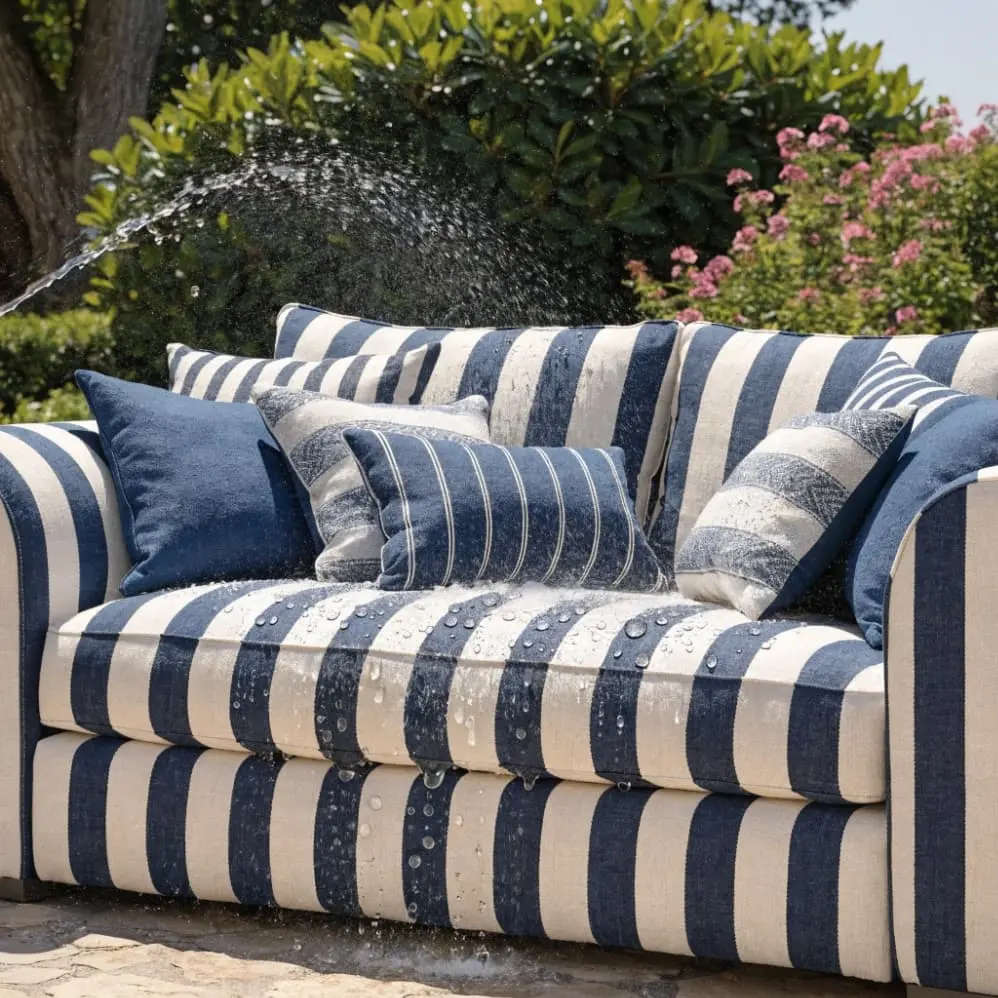
This is one of the most reliable materials available.
Why it works:
- Color is embedded into the fiber, not just applied on top
- Excellent resistance to sun exposure
Best for: Areas with strong sunlight
2. Olefin (Polypropylene)
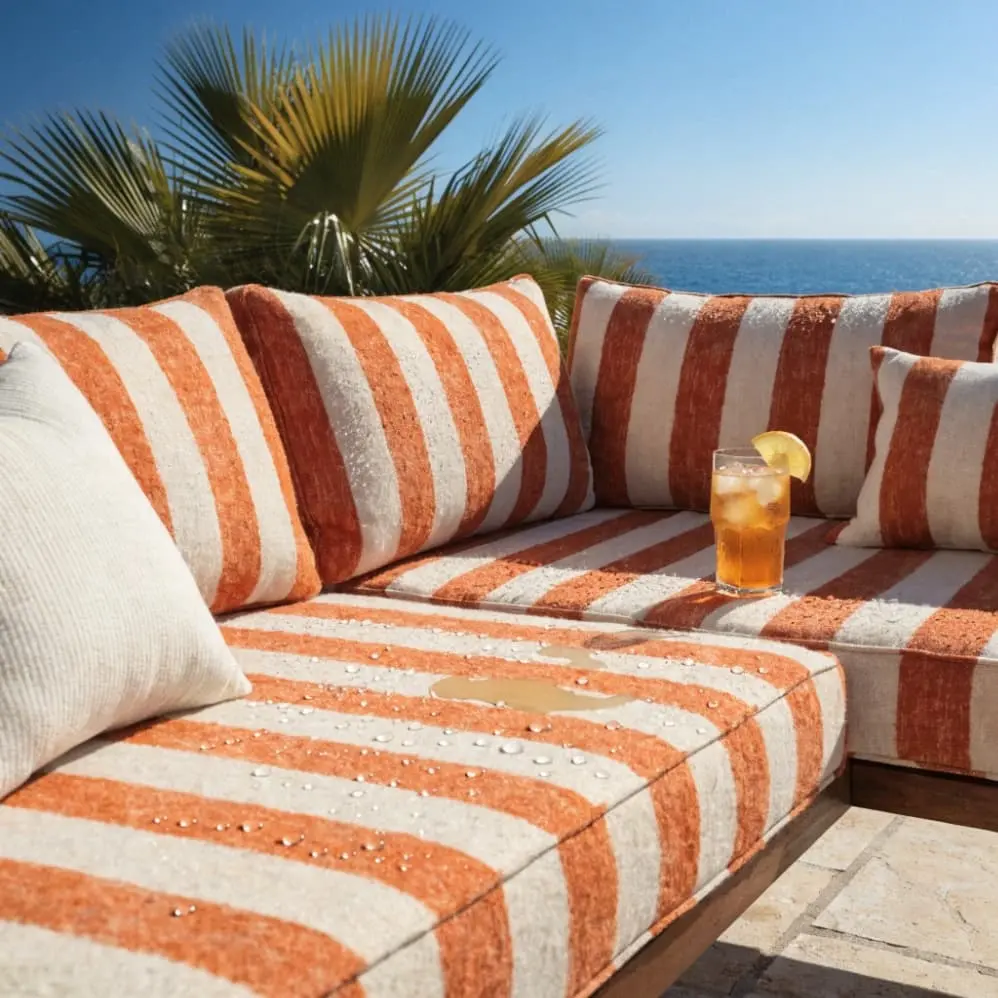
A practical and cost-effective option.
Key advantages:
- Strong resistance to moisture
- Lightweight and durable
Best for: Rain-prone environments
3. Treated Polyester
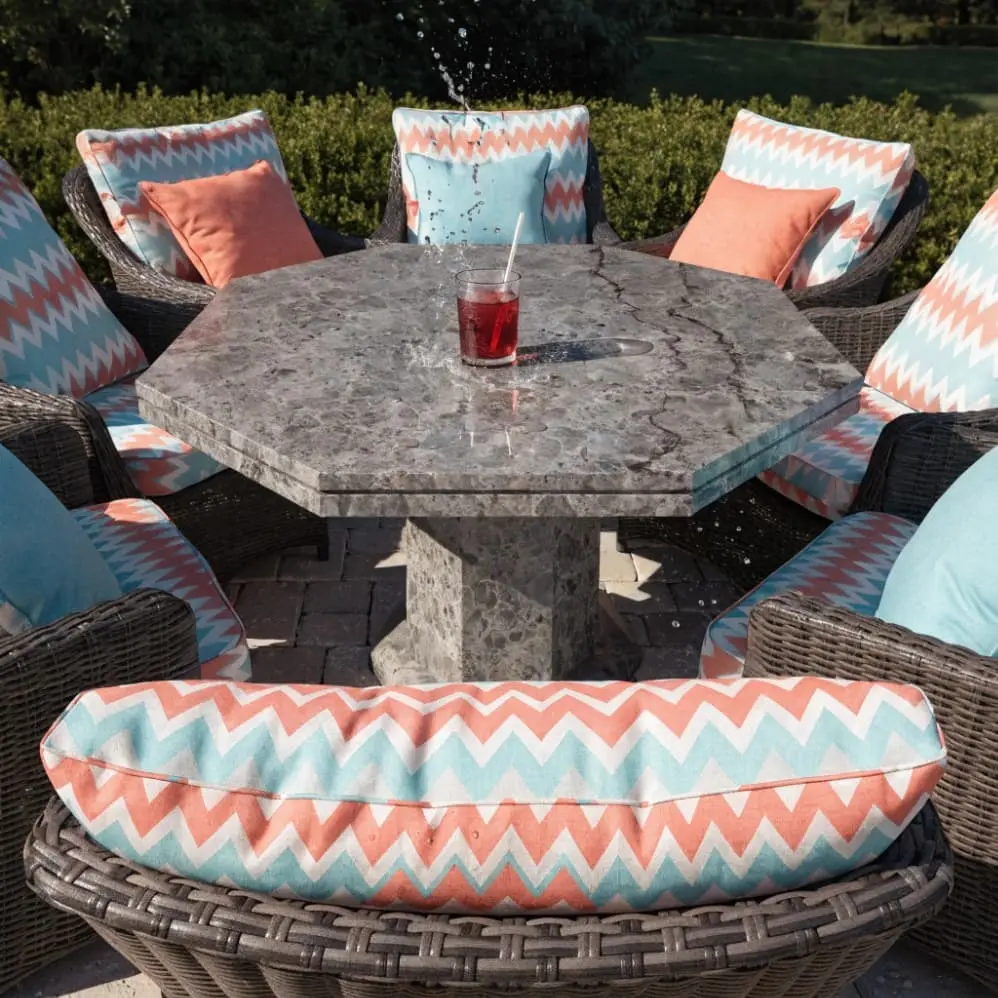
Basic polyester becomes outdoor-ready after treatment, making it a common choice for Outdoor Cushion Fabric.
What to expect:
- Affordable
- Moderate durability
Limitations: Needs protective coating to perform well
4. Textilene
A mesh-like synthetic material.
Strengths:
- High breathability
- Fast drying
Best for: Poolside or humid conditions
5. Canvas (Outdoor Grade)
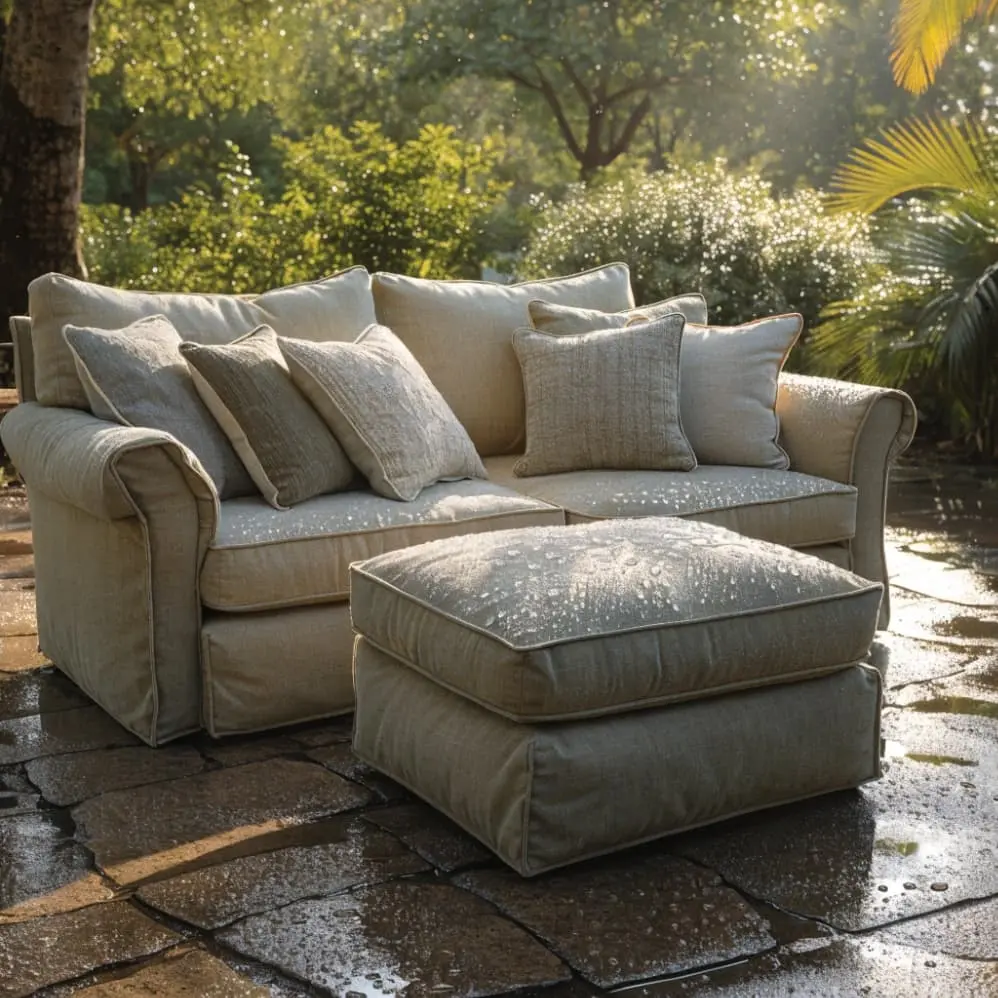
A heavier fabric with a classic look.
Pros:
- Strong structure
- Good durability
Cons: Needs treatment for water resistanc
6. Vinyl-Coated Fabric
Designed for maximum protection.
Advantages:
- Water-resistant surface
- Easy to clean
Best for: Low-maintenance setups
7. Blended Performance Fabrics
Engineered combinations of materials.
What makes them useful:
- Balanced durability and comfort
- Improved resistance across conditions
Comparison Table for Quick Decision-Making
| Fabric Type | UV Resistance | Water Resistance | Durability | Ideal Use |
|---|---|---|---|---|
| Acrylic | High | Medium | High | Sunny climates |
| Olefin | Medium | High | High | Rainy areas |
| Polyester | Medium | Medium | Medium | Budget setups |
| Textilene | High | High | High | Poolside |
| Canvas | Medium | Low | High | Style-focused use |
| Vinyl | High | High | Medium | Easy cleaning |
| Blends | Balanced | Balanced | Balanced | General use |
How to Choose the Right Material for Your Setup
If you choose randomly, you’ll replace it sooner than expected.
1. Match the Fabric to Your Climate
- Strong sun → prioritize UV resistance
- Humidity → focus on mold resistance
2. Consider Usage Frequency
- Daily use → invest in durability
- Occasional use → budget options may work
3. Think About Maintenance
- Want minimal effort → go for coated or vinyl surfaces
- Prefer comfort → softer materials like acrylic blends
4. Balance Cost vs Longevity
Cheap options cost less upfront—but more over time.
Higher-quality materials:
- Last longer
- Maintain appearance
- Require fewer replacements
Advantages and Limitations
What You Gain
- Better resistance to environmental damage
- Longer lifespan
- Consistent appearance
What You Trade Off
- Higher initial cost
- Some materials feel less soft
- Requires basic maintenance
This isn’t about perfection. It’s about durability.
Mistakes That Ruin Your Purchase
Most failures are avoidable.
Common errors:
- Using indoor materials outside
- Ignoring sun exposure levels
- Choosing based on appearance only
- Skipping material research
- Not checking water resistance
Avoid these, and your setup will last significantly longer.
How to Maintain Your Cushions Properly
Cleaning Routine
- Remove dust and debris regularly
- Use mild soap for stains
Storage Practices
- Store during extreme weather
- Use covers when not in use
Protection Habits
- Avoid leaving cushions in standing water
- Rotate them to reduce uneven fading
Maintenance isn’t complicated—but ignoring it shortens lifespan.
Outdoor vs Indoor Fabric: Key Differences
| Feature | Outdoor Material | Indoor Material |
|---|---|---|
| UV Resistance | High | Low |
| Water Handling | Resistant | Absorbent |
| Durability | Strong | Moderate |
| Longevity Outside | Long | Short |
Indoor fabric outside is a guaranteed failure.
FAQ: What You Need to Know Before Buying
What is the best outdoor cushion fabric for sun exposure?
Solution-dyed acrylic performs best under strong sunlight due to its high fade resistance.
Is outdoor cushion fabric waterproof?
Some options are water-resistant, while others—like vinyl-coated materials—offer stronger protection, depending on the type of Outdoor Cushion Fabric you choose.
How long does outdoor cushion fabric last?
Typically between 3 to 10 years, depending on quality and care.
Can you use indoor fabric outside?
No. It will fade, weaken, and absorb moisture quickly.
How do you clean outdoor cushion fabric?
Use mild soap, water, and regular maintenance. Avoid harsh chemicals.
Final Decision: Buy for Durability, Not Appearance
Here’s the reality most people ignore:
Outdoor conditions are aggressive.
If your material isn’t built for it, it will fail.
A good outdoor cushion fabric doesn’t just look good—it holds up over time, resists fading, and saves you from constant replacements.
What You Should Do Next
- Identify your environment (sun, rain, humidity)
- Choose a material that matches those conditions
- Focus on durability over style
- Invest once instead of replacing repeatedly
If you make the right choice now, you won’t have to think about it again next season.
That’s the difference between buying smart… and buying twice.