
Rustic Farmhouse Interior: 5 Easy DIY Projects for Character
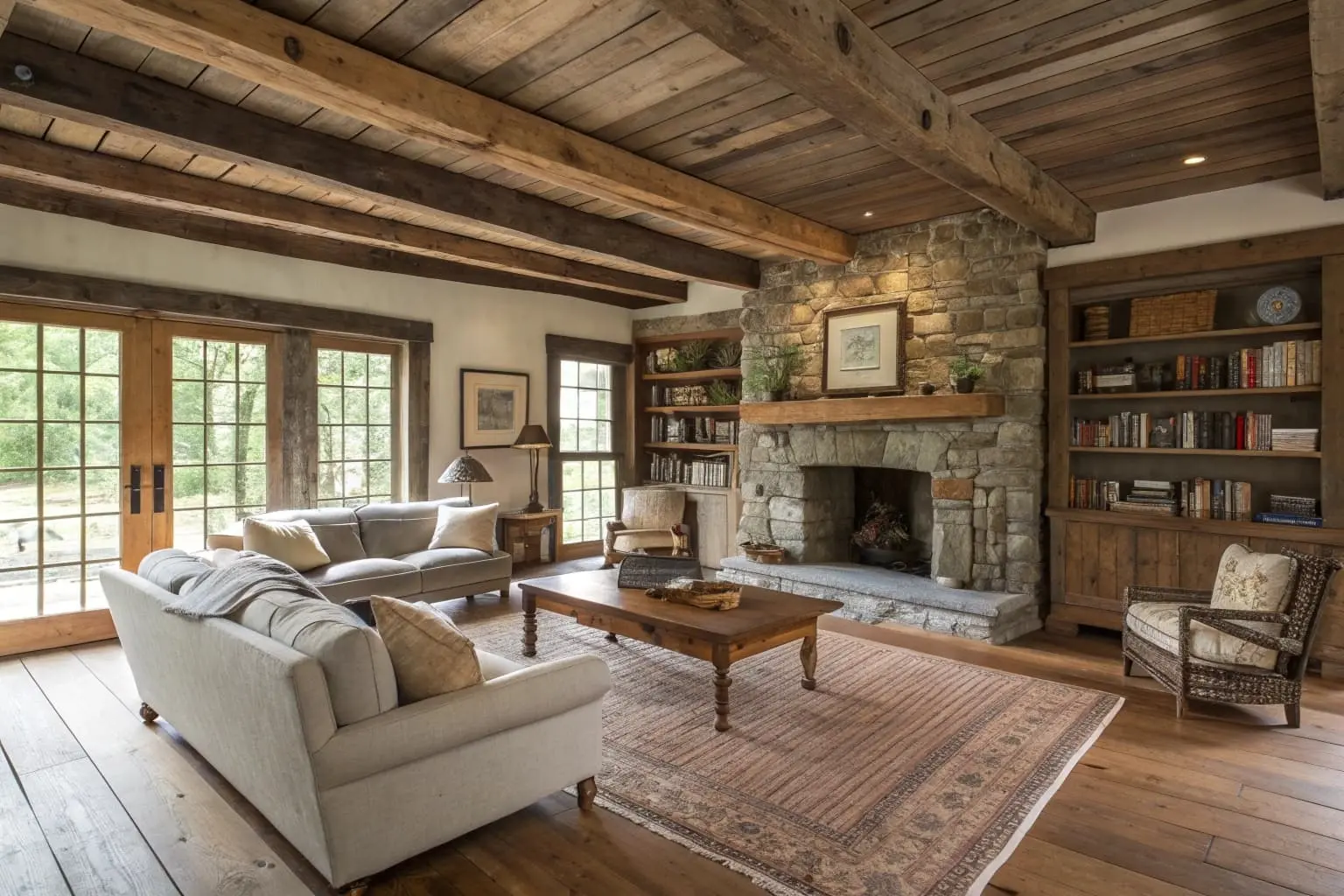
Why Rustic Farmhouse Interiors Feel Like Home
You don’t need to grow up in the countryside to understand why rustic farmhouse interiors feel so comforting. There’s something deeply familiar about natural wood, soft neutral colors, and handmade details. When you step into a space designed this way, it doesn’t feel staged or cold—it feels lived in, welcoming, and calm.
A rustic farmhouse interior isn’t about perfection. It’s about warmth, texture, and character. It’s the visible grain in wood, the slightly worn edges, and the feeling that every piece has a story. And the best part? You don’t need a massive budget or professional skills to achieve it. With a few well-chosen DIY projects, you can transform your home in a way that feels personal and authentic.
This guide walks you through exactly how to do that. You’ll learn what defines rustic farmhouse style, why DIY works so well for it, and five easy projects you can start—even if you’re a beginner.
What Defines a Rustic Farmhouse Interior?
Before you start any DIY project, it helps to understand what actually makes a rustic farmhouse interior work. This style isn’t random. It follows a few clear principles that you can apply consistently throughout your home.
Key Elements of Rustic Farmhouse Interior Design
At its core, rustic farmhouse style combines simplicity with texture. The goal is to create a space that feels grounded and comfortable rather than polished or modern.
Common elements include:
- Natural or reclaimed wood with visible grain
- Neutral and earthy color palettes
- Vintage, handmade, or repurposed decor
- Functional pieces that double as decoration
- Subtle imperfections that add personality
Instead of hiding wear and age, rustic farmhouse interiors celebrate them. A scratch, knot, or uneven edge isn’t a flaw—it’s part of the charm.
Rustic vs. Modern Farmhouse: What’s the Difference?
You’ll often hear “rustic farmhouse” and “modern farmhouse” used interchangeably, but they aren’t the same.
- Rustic farmhouse focuses on raw textures, distressed finishes, and a cozy, traditional feel.
- Modern farmhouse uses cleaner lines, smoother surfaces, and often brighter whites with fewer imperfections.
If you’re drawn to warmth and character over minimalism, rustic farmhouse is likely the style that fits you best.
Why DIY Projects Work So Well for Rustic Farmhouse Interiors
The Beauty of Imperfection
Rustic farmhouse style welcomes handmade details. That’s why DIY projects fit so naturally. When you build or finish something yourself, it carries subtle variations that factory-made items don’t. Those variations add authenticity.
You don’t need perfect cuts or flawless paintwork. In fact, slightly uneven finishes often enhance the rustic look.
Budget-Friendly and Sustainable
DIY projects also make rustic farmhouse interiors more accessible. Many projects use:
- Reclaimed or scrap wood
- Affordable hardware
- Simple tools
This approach isn’t just budget-friendly—it’s sustainable. Repurposing materials reduces waste and gives old items new life.
Rustic Farmhouse Interior: 5 Easy DIY Projects for Character
Each of the following projects is designed to be approachable. You can complete them over a weekend and see immediate results in how your space feels.
1. DIY Reclaimed Wood Floating Shelves
Why Floating Shelves Work in a Rustic Farmhouse Interior
Floating shelves instantly add warmth and function. They allow you to display everyday items—dishes, books, plants—while contributing to the overall style.
Key benefits:
- Adds natural texture to walls
- Creates storage without heaviness
- Works in kitchens, bathrooms, and living rooms
You can use reclaimed wood, old planks, or new wood that’s lightly distressed. The goal is to keep the finish natural and matte.
Helpful tips:
- Leave the wood slightly rough
- Use black or aged metal brackets if visible
- Don’t overcrowd the shelves
2. Mason Jar Wall Sconces
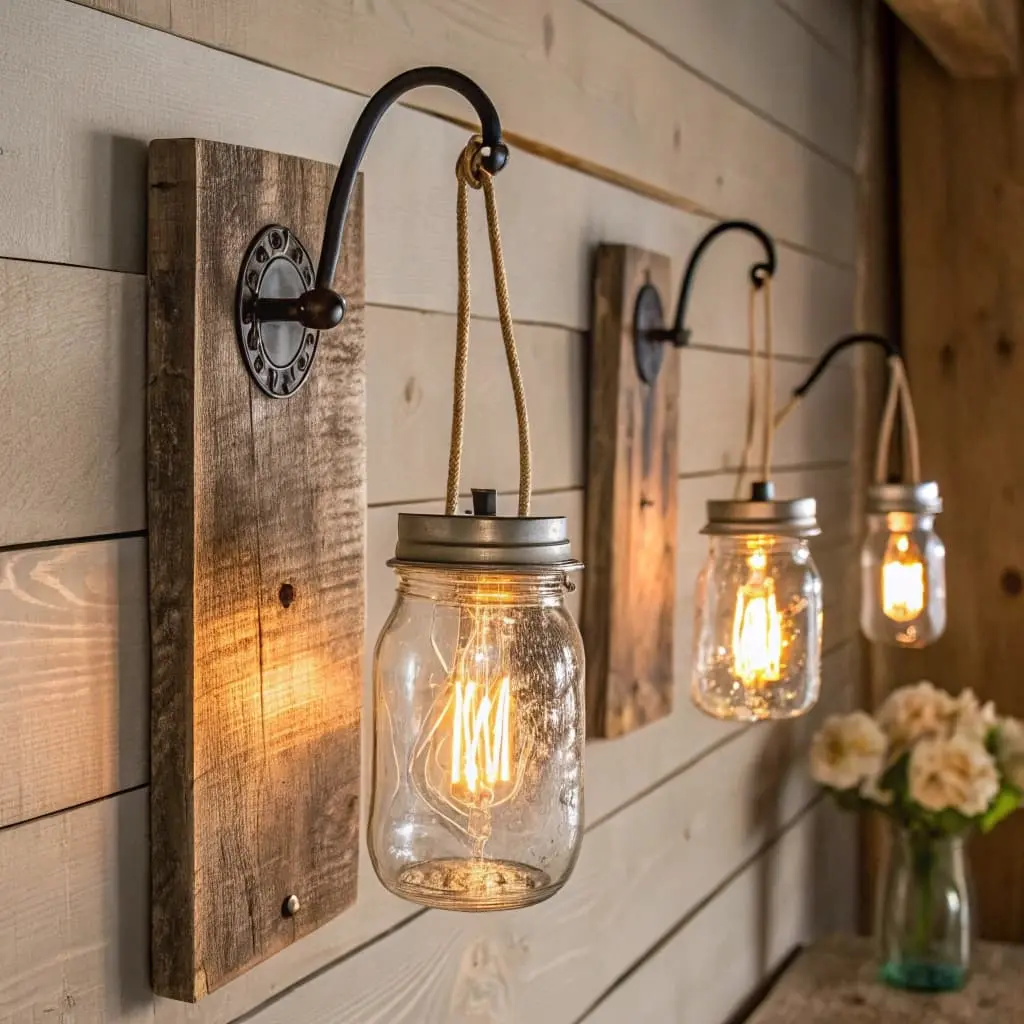
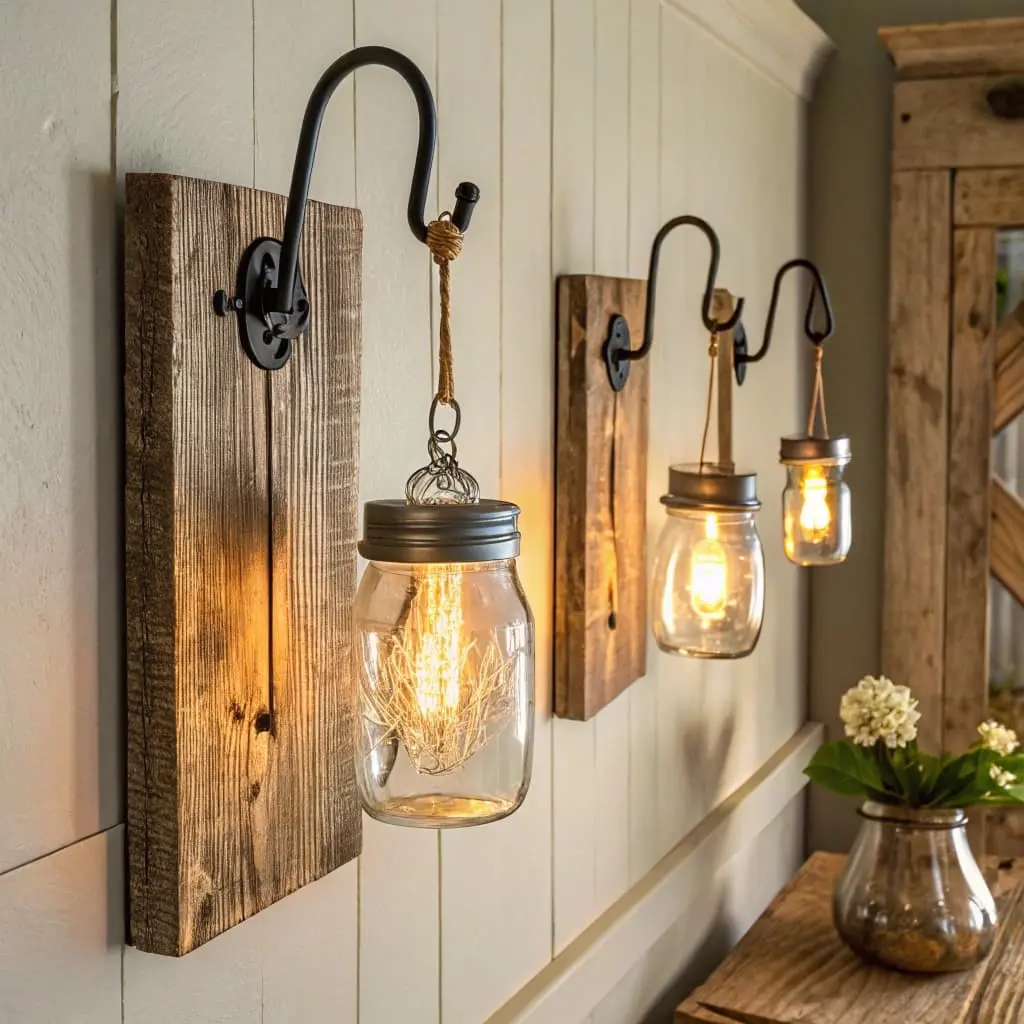
How Mason Jars Enhance Farmhouse Charm
Mason jars are a classic farmhouse element. Turning them into wall sconces creates soft lighting and visual interest.
These sconces work well because:
- They provide ambient lighting
- They add a vintage touch without overwhelming the space
- They’re simple to assemble
You can use candles for a no-wiring option or install basic light fixtures if you’re comfortable with simple electrical work.
Ideal locations include:
- Entryways
- Bedrooms
- Hallways
3. DIY Farmhouse Coffee Table with a Distressed Finish
Creating a Centerpiece with Character
A coffee table often becomes the visual anchor of a living room. Building one yourself allows you to control size, finish, and overall feel.
What makes a farmhouse coffee table work:
- Solid wood construction
- Simple, sturdy design
- Light distressing for a worn look
You don’t need advanced woodworking skills. Straight cuts and basic assembly are enough. The magic happens in the finishing stage, where sanding and staining bring out character.
4. Rustic Wooden Picture Frames
Personalizing Your Rustic Farmhouse Interior
Picture frames may seem small, but they make a big difference. Rustic wooden frames add texture and help personalize your walls.
Why they work:
- Easy to make from scrap wood
- Customizable in size and finish
- Perfect for family photos or artwork
Mix different frame sizes and finishes for a collected look. Keep colors neutral to maintain cohesion.
5. Hand-Painted Farmhouse Signs
Words That Add Warmth and Personality
Farmhouse signs are a simple way to add character. They can display meaningful phrases, family names, or subtle decorative words.
Best practices:
- Use simple fonts
- Keep color palettes muted
- Avoid overly glossy finishes
Chalk paint or milk paint works especially well, giving signs a soft, aged appearance.
DIY Finishing Touches: Paints, Stains, and Sealers
The finishing process often defines the success of your DIY projects. Rustic farmhouse interiors rely on finishes that look natural rather than shiny.
Simple DIY Wood Aging Recipe
You can create an aged wood effect using common household items.
| Ingredient | Quantity | Purpose |
|---|---|---|
| White vinegar | 1 cup | Creates aged tone |
| Steel wool | 1 pad | Reacts with vinegar |
| Warm water | ½ cup | Dilution |
| Brush or cloth | 1 piece | Application |
Let the mixture sit for 24 hours before use. Apply lightly and test on scrap wood first.
Choosing the Right Paint for Rustic Farmhouse Interiors
Paint choice matters more than color alone.
Best options include:
- Chalk paint for a matte, soft finish
- Milk paint for authentic texture
- Low-sheen finishes to avoid shine
Avoid high-gloss paints, as they break the rustic illusion.
Common DIY Mistakes to Avoid in Rustic Farmhouse Interiors
Even simple projects can go wrong if you’re not careful. These are the most common mistakes to watch for:
- Over-distressing wood until it looks artificial
- Mixing too many styles in one space
- Using finishes that are too shiny
- Cluttering surfaces with too much decor
- Ignoring balance and proportion
Rustic farmhouse style thrives on restraint. Let a few strong elements do the work.
How to Style Your Finished Rustic Farmhouse Interior
Layering Textures for Warmth
Texture is what makes rustic farmhouse interiors feel cozy. Combine materials thoughtfully:
- Wood with linen or cotton
- Metal accents for contrast
- Soft rugs and throws
Layering creates depth without visual noise.
Decor Placement Tips
Instead of filling every surface, focus on intentional placement.
Helpful guidelines:
- Group items in odd numbers
- Leave negative space
- Highlight one statement piece per area
This approach keeps your home feeling calm and inviting.
FAQ: Rustic Farmhouse Interior DIY Guide
Can you create a rustic farmhouse interior in a modern home?
Yes. You don’t need architectural changes. Focus on textures, materials, and finishes to introduce farmhouse character.
What colors work best for a rustic farmhouse interior?
Warm whites, beige, greige, soft browns, and muted earth tones work best.
Do rustic farmhouse interiors work in small spaces?
Absolutely. Use lighter colors, smaller-scale furniture, and fewer statement pieces.
How much does it cost to DIY a rustic farmhouse interior?
Costs vary, but many projects can be completed with minimal materials and basic tools.
Conclusion: Build Character One Project at a Time
A rustic farmhouse interior isn’t something you buy all at once—it’s something you build over time. Each DIY project adds a layer of warmth, personality, and meaning to your home.
You don’t need to be an expert or have expensive tools. You just need intention, patience, and a willingness to let your space evolve naturally.
If you’ve been waiting for the right moment to start, this is it. Choose one project, gather your materials, and begin shaping a home that feels truly yours.
Start small, stay consistent, and let your rustic farmhouse interior tell your story.