
Living Room Furniture Layout Ideas: 15 Best Arrangements
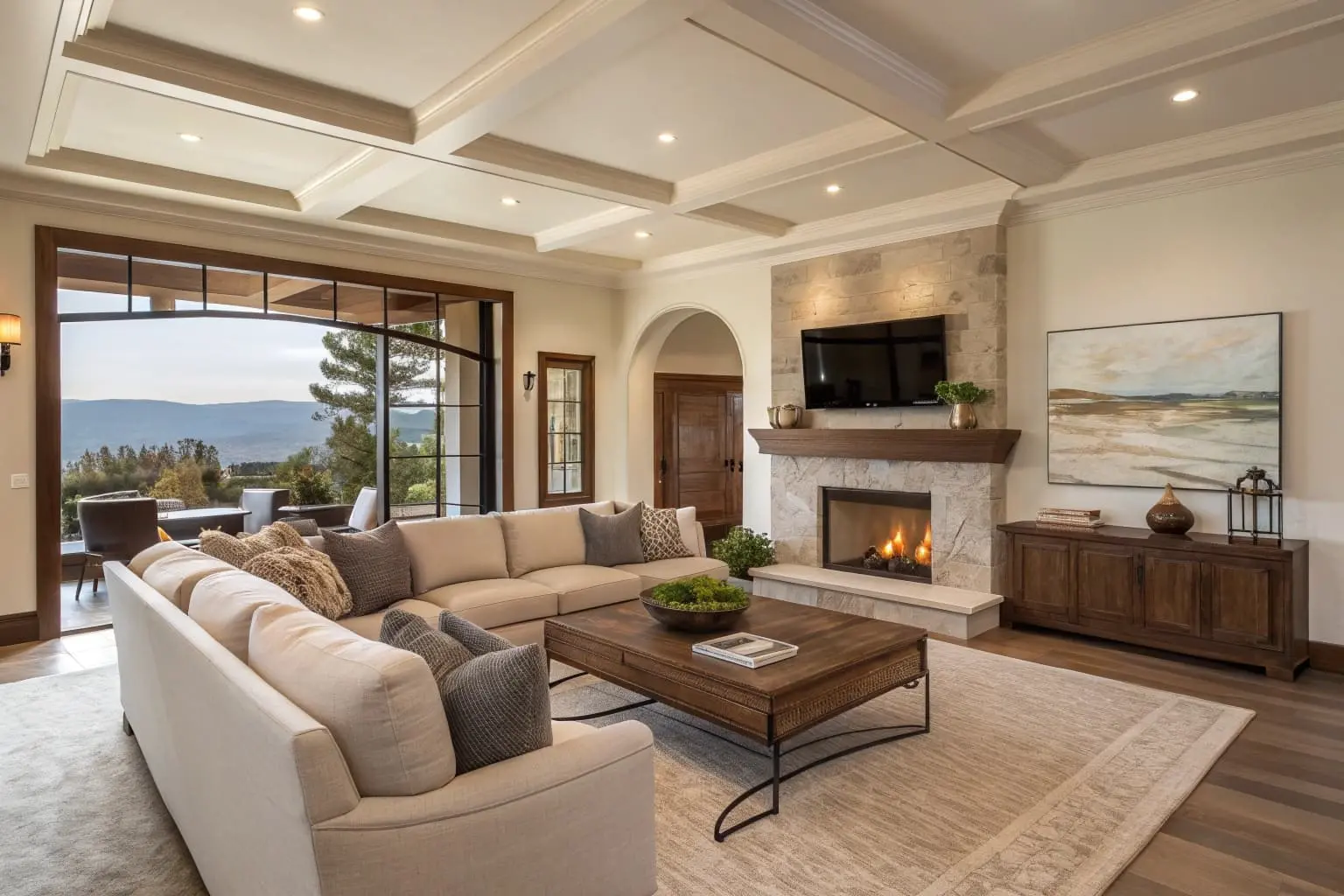
Why the Right Layout Changes How You Feel at Home
You can buy a beautiful sofa, a stylish rug, and the perfect coffee table—and still feel like something is off the moment you sit down. That uncomfortable feeling usually has nothing to do with the furniture itself. It comes from how everything is arranged.
Your living room is where you unwind after long days, welcome guests, and share quiet moments with family. When the layout flows naturally, the space feels calm and inviting. When it doesn’t, the room can feel cramped, awkward, or oddly empty. That’s why thoughtful Living Room Furniture Layout Ideas matter more than trends or expensive pieces.
This guide walks you through 15 practical, proven arrangements that help you use your space better—no matter the size or shape of your living room.
Table of Contents
Why Living Room Furniture Layout Ideas Matter More Than You Think
A good layout does more than look nice. It supports how you actually live.
Key benefits of smart layouts:
- Improve movement and flow
- Make small rooms feel larger
- Encourage conversation and connection
- Balance comfort with function
- Highlight focal points like windows or fireplaces
Interior design studies consistently show that rooms arranged around human movement and sightlines feel more relaxing and usable than rooms designed purely for appearance. That’s why the best Living Room Furniture Layout Ideas always start with function first.
15 Best Living Room Furniture Layout Ideas for Every Space
1. The Classic Conversation Circle
Best for: Medium to large living rooms
Arrange seating so everyone faces each other.
- Sofa and two chairs form a loose circle
- Coffee table anchors the center
- Ideal for hosting and family time
2. The Sofa-Facing-TV Layout
Best for: Everyday living
This is one of the most common Living Room Furniture Layout Ideas.
- Sofa directly faces TV
- Chairs angled slightly inward
- Keep walking paths clear behind seating
3. The Floating Furniture Arrangement
Best for: Open-concept spaces
Furniture doesn’t touch the walls.
- Sofa floats in the center
- Rug defines the seating area
- Creates visual separation without walls
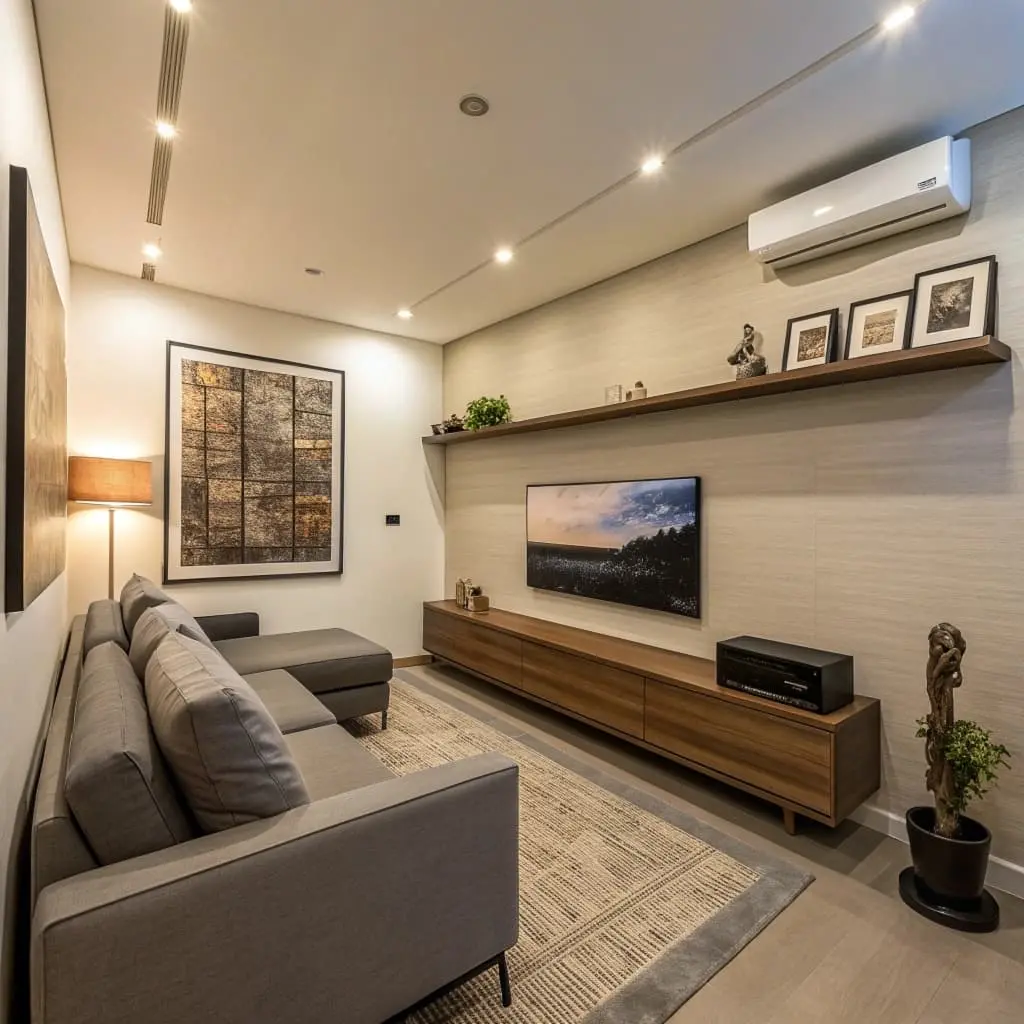
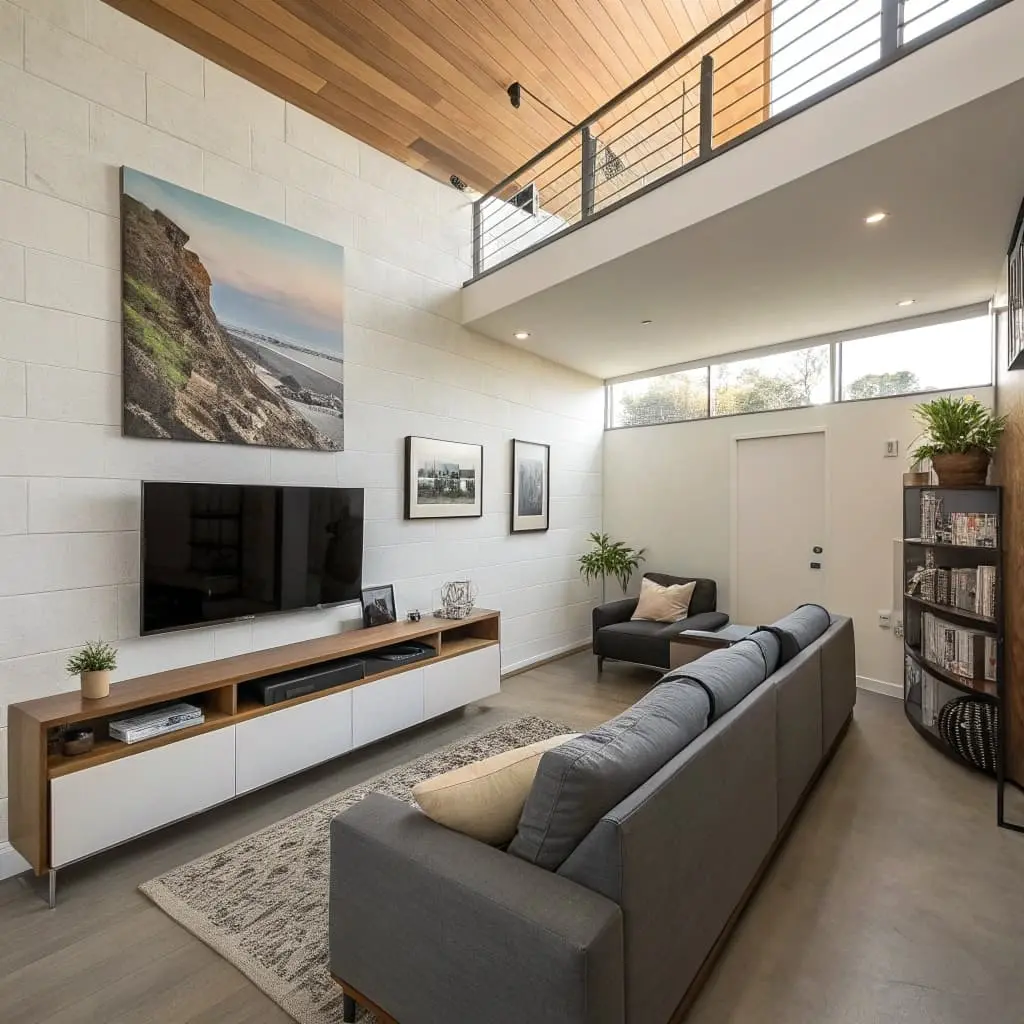
4. The Small Space Wall Hugger
Best for: Apartments and compact rooms
- Sofa against the longest wall
- Slim coffee table
- Chairs or poufs that tuck away easily
5. The L-Shaped Sectional Layout
Best for: Families
- Sectional frames the room
- TV or fireplace opposite
- Excellent for shared lounging
6. The Symmetrical Balance Setup
Best for: Formal living rooms
- Matching chairs on each side of sofa
- Centered coffee table
- Balanced lighting and décor
7. The Window-Focused Arrangement
Best for: Rooms with great natural light
- Seating faces windows
- Side tables instead of bulky furniture
- Emphasizes openness
8. The Fireplace-Centered Layout
Best for: Traditional homes
- Seating arranged around fireplace
- TV placed subtly or in another area
- Creates warmth and focus
9. The Dual-Purpose Living Room
Best for: Work-from-home homes
- Seating on one side
- Desk or reading nook on the other
- Rug zoning defines each function
10. The Minimalist Flow Layout
Best for: Modern interiors
- Fewer pieces
- Clean lines
- Space between furniture improves movement
11. The Family-Friendly Layout
Best for: Homes with kids
- Rounded furniture edges
- Durable fabrics
- Clear open floor area for play
12. The Corner Seating Plan
Best for: Awkward room shapes
- Use corners intentionally
- Sectionals or angled chairs work best
- Prevents wasted space
13. The Entertainer’s Layout
Best for: Frequent guests
- Extra seating options
- Easy access to side tables
- Clear paths to exits and kitchen
14. The TV-Optional Layout
Best for: Conversation-focused homes
- No central screen
- Seating faces inward
- Artwork or shelves as focal point
15. The Layered Living Room
Best for: Large spaces
- Multiple seating zones
- Rugs separate areas
- One of the most flexible Living Room Furniture Layout Ideas
Choosing the Right Layout for Your Living Room
Key Factors to Consider
- Room size and shape
- Natural walkways
- Primary room purpose
- Number of users
- Existing architectural features
Furniture Spacing Guidelines Table
| Item | Recommended Distance |
|---|---|
| Sofa to coffee table | 14–18 inches |
| TV viewing distance | 1.5–2.5× screen size |
| Walking paths | 30–36 inches |
Common Living Room Furniture Layout Mistakes to Avoid
Many layout problems come from the same mistakes:
- Pushing all furniture against walls
- Blocking natural pathways
- Oversized furniture for small rooms
- Ignoring lighting placement
- Forgetting balance and proportion
Avoiding these instantly improves most Living Room Furniture Layout Ideas.
Styling Tips That Make Any Layout Look Better
Use Rugs Correctly
- Front legs of furniture should sit on the rug
- Rugs anchor the arrangement
Layer Lighting
- Overhead lighting
- Floor lamps
- Table lamps
Keep Scale Consistent
- Avoid mixing very large and very small pieces
- Maintain visual harmony
Budget-Friendly Layout Improvements
You don’t need new furniture to improve your space.
- Rearrange what you already own
- Swap bulky pieces for lighter ones
- Use mirrors to enhance depth
- Rotate layouts seasonally
Small changes often have a big impact when applying smart Living Room Furniture Layout Ideas.
Conclusion: Your Living Room Should Work for You
The best living rooms aren’t copied from catalogs—they’re designed around real life. When you focus on comfort, movement, and balance, your space naturally becomes more inviting.
By applying these Living Room Furniture Layout Ideas, you give your home room to breathe and function the way it should. Start with one layout, test how it feels, and adjust until your living room truly supports your lifestyle.
Call to Action
Try rearranging your living room this weekend using one idea from this guide. Take a photo before and after—you’ll be surprised how much difference layout alone can make.
FAQ: Living Room Furniture Layout Ideas
How do I choose the best living room furniture layout?
Start with how you use the room daily, then build seating around that function.
Can living room furniture layouts make a small room feel bigger?
Yes. Proper spacing and floating furniture often make rooms feel more open.
Should all furniture face the TV?
Not always. Many Living Room Furniture Layout Ideas focus on conversation instead.
How often should I change my layout?
Whenever your needs change—or when the room stops feeling comfortable.