
Furniture Layout Living Room: 10 Best Arrangement Ideas
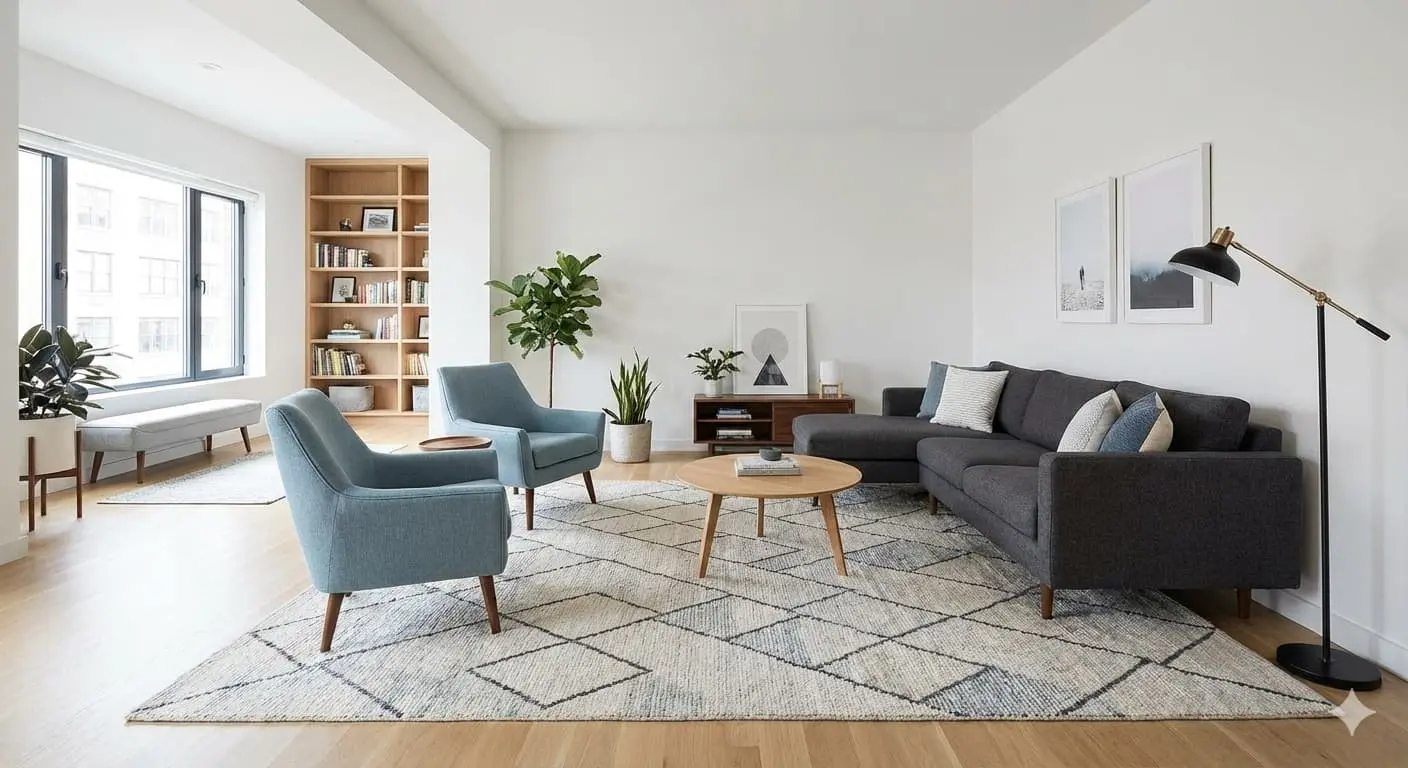
When you step into your living room, how does it make you feel? Cozy and inviting? Or cramped and chaotic? The way you arrange your furniture can dramatically change the atmosphere, functionality, and even the style of this vital space. Whether you’re hosting friends, relaxing after a long day, or simply enjoying quiet moments, your furniture layout living room setup plays a pivotal role in making your space work for you.
Imagine coming home to a living room that instantly feels balanced, spacious, and tailored to your lifestyle. This isn’t just a dream — with the right guidance and ideas, you can transform your living room into a harmonious haven. In this article, we’ll walk you through the ten best furniture layout living room ideas, practical tips on optimizing your space, common mistakes to avoid, and answers to your most pressing questions. Let’s help you create a living room that feels like yours.
Table of Contents
Understanding the Basics of Furniture Layout Living Room Design
Why Your Furniture Layout Living Room Is Crucial for Functionality and Aesthetics
Your furniture layout living room design is the backbone of your space. It determines how you move through the room, where your eyes naturally rest, and how comfortable the area feels overall. When arranged thoughtfully, the furniture layout can maximize available space, highlight key focal points, and encourage natural social interaction.
Studies have shown that well-planned interiors not only enhance comfort but can also increase your home’s value. A carefully designed furniture layout living room that flows well can reduce stress and improve your mood, while a cluttered or awkward layout can do the opposite. You deserve a living room that works with you, not against you.
Key Principles to Keep in Mind Before Arranging Your Furniture
Before you start moving sofas and chairs around, keep these foundational principles in mind:
- Balance and Symmetry: Aim for visual equilibrium in the room. Balanced arrangements often create a sense of calm.
- Traffic Flow: Ensure there are clear pathways to move freely without obstruction.
- Focal Points: Identify the main feature(s) of your room—like a fireplace, TV, or large window—and arrange furniture to highlight them.
- Scale and Proportion: Match furniture size with your room dimensions to avoid overcrowding or empty spaces.
- Flexibility: Consider how you use your living room. Your layout should accommodate multiple functions, whether it’s relaxing, entertaining, or working.
10 Best Furniture Layout Living Room Arrangement Ideas
When it comes to arranging your furniture, one size doesn’t fit all. Here are ten proven ideas tailored to different room sizes, styles, and lifestyles.
1. The Classic Symmetrical Layout
This timeless arrangement places sofas and chairs directly opposite one another, often centered around a coffee table or rug.
Benefits:
- Encourages face-to-face conversation
- Creates a formal, balanced feel
- Easy to decorate around
Ideal For: Medium to large living rooms where a more traditional, polished look is desired.
2. The Open Plan Layout
This layout is perfect for open-concept homes where your living area blends into dining or kitchen spaces. Furniture is arranged to define specific zones without walls.
Benefits:
- Enhances flow and spaciousness
- Allows multifunctional use of space
- Helps visually separate areas with rugs, lighting, or furniture orientation
Ideal For: Large spaces and modern homes with fewer walls.
3. The L-Shaped Layout
Here, a sofa and sectional or loveseat form an “L,” creating a cozy corner.
Benefits:
- Makes excellent use of corner space
- Perfect for intimate gatherings
- Feels warm and inviting
Ideal For: Small to medium-sized rooms needing to maximize seating without overcrowding.
This layout works best with a well-proportioned L-shaped sofa that defines the space without crowding it. A modular sectional like this one can help you achieve both comfort and flow in your living room.
4. The Floating Furniture Layout
Instead of pushing furniture against walls, pieces are ‘floated’ in the room, creating an intimate seating area.
Benefits:
- Encourages interaction by bringing people closer
- Adds a modern, airy vibe
- Defines spaces without physical barriers
Ideal For: Medium to large rooms where you want to create a distinct conversation zone.
5. The Minimalist Layout
Focuses on clean lines, fewer pieces, and ample open space.
Benefits:
- Reduces visual clutter
- Instills a sense of calmness
- Makes rooms appear larger and brighter
Ideal For: Small to medium rooms or those who prefer a sleek, modern aesthetic.
6. The Entertainment-Centric Layout
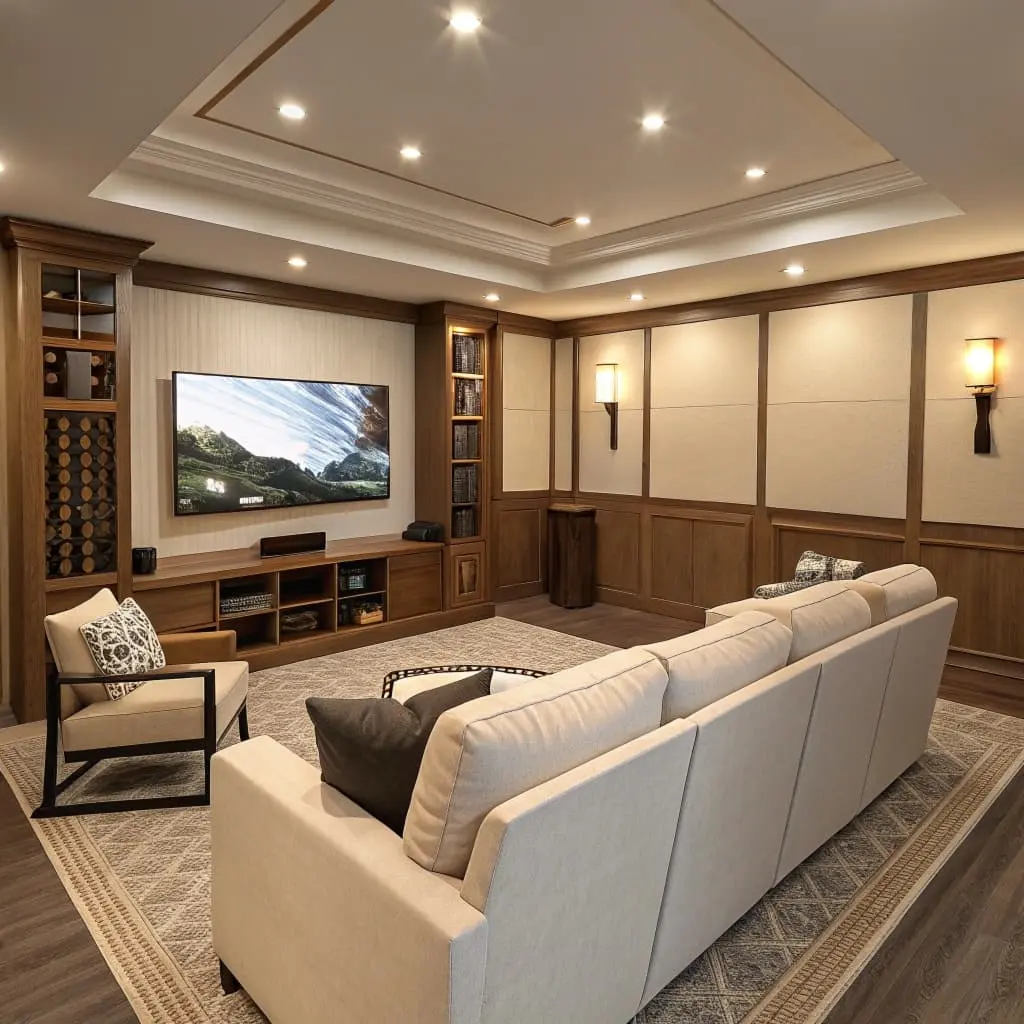
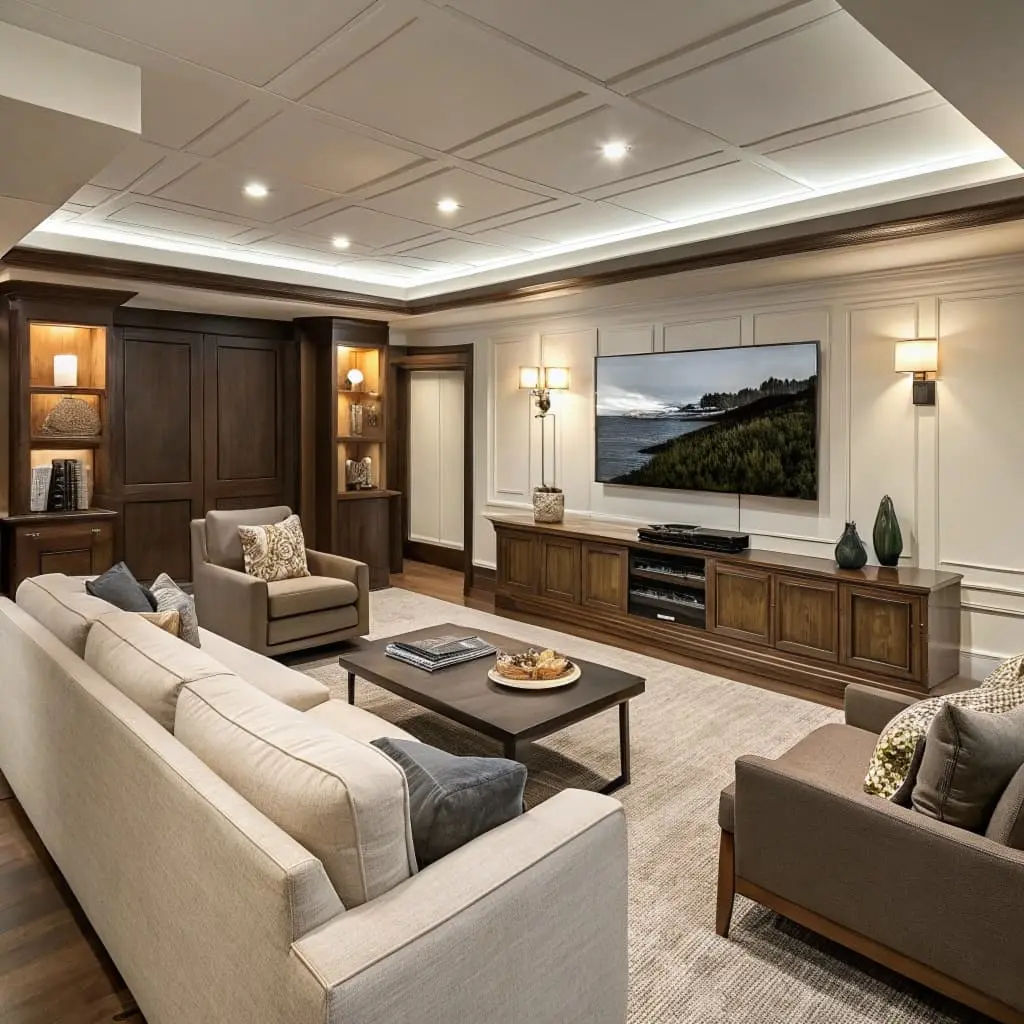
Seating is arranged to focus on a television or media console, optimizing viewing angles and comfort.
Benefits:
- Ideal for movie nights or gaming
- Creates a designated entertainment zone
- Uses sectional sofas or recliners for comfort
Ideal For: Media lovers with medium to large living rooms.
7. The Multi-Functional Layout
This flexible arrangement integrates workspace, dining, or other functions into the living room.
Benefits:
- Maximizes space efficiency
- Supports diverse daily activities
- Encourages use of modular or foldable furniture
Ideal For: Small homes or apartments where space is limited.
8. The Cozy Nook Layout
A small corner in the furniture layout living room is dedicated to a comfy chair, side table, and lamp, creating a perfect spot for reading or relaxing.
Benefits:
- Adds personality and warmth
- Creates a private retreat within the living room
- Easy to set up without major rearranging
Ideal For: Any room size looking for an extra touch of comfort.
9. The Circular Seating Layout
Chairs and sofas are arranged in a circle or semi-circle, fostering conversation.
Benefits:
- Ideal for social gatherings
- Promotes eye contact and engagement
- Breaks away from traditional linear setups
Ideal For: Medium to large rooms with ample space.
10. The Gallery Wall Layout
Furniture is positioned to highlight a gallery wall or artwork, making the décor a focal point.
Benefits:
- Showcases your personal style
- Balances furniture placement with visual interest
- Creates a unique, art-focused vibe
Ideal For: Art lovers and medium-sized living rooms.
Practical Tips for Optimizing Your Furniture Layout Living Room
Measuring Your Space Accurately
Before you start moving furniture, you need to know your room inside and out. Here’s how to measure effectively:
- Use a tape measure to record wall lengths, window and door placements, and ceiling height.
- Measure your furniture pieces, including length, width, and height.
- Don’t forget to note the size of rugs, lamps, and other accessories.
- Create a scaled floor plan on graph paper or digitally to visualize the space.
Accurate measurements prevent costly mistakes and save time during the rearrangement process.
Using Technology: Apps and Software for Layout Planning
Several user-friendly apps can help you visualize your furniture layout:
- Roomstyler: Great for beginners with drag-and-drop furniture placement.
- SketchUp: Offers advanced 3D modeling for detailed planning.
- Planner 5D: Allows you to create both 2D and 3D floor plans with furniture.
These tools let you experiment with different layouts before lifting a single couch, reducing hassle and guesswork.
Choosing the Right Furniture Pieces for Your Layout
Furniture selection impacts layout success. Keep these tips in mind:
- Opt for pieces that suit your room’s scale—avoid oversized sofas in small spaces or tiny chairs in large rooms.
- Look for multi-functional furniture like storage ottomans, foldable tables, or modular sofas to maximize space.
- Consider the shape of furniture; rounded or armless pieces can improve flow in tighter rooms.
Furniture Layout Living Room – Common Mistakes to Avoid
Even with the best intentions, some pitfalls can undermine your efforts. Watch out for these:
- Overcrowding: Too much furniture makes the room feel cramped and uncomfortable.
- Blocking Natural Light: Avoid placing bulky pieces in front of windows or light sources.
- Ignoring Traffic Flow: Ensure there’s at least 24-30 inches of walking space between furniture pieces.
- Neglecting Your Focal Point: Arrange furniture to highlight your fireplace, TV, or a beautiful view.
- Mismatch in Scale: Furniture that’s too big or too small disrupts harmony.
If you notice these mistakes, try removing or repositioning pieces, decluttering, or using mirrors and lighting to enhance openness
FAQ: Furniture Layout Living Room
What is the best furniture layout for a small living room?
For small living rooms, layouts that maximize space and avoid clutter work best. The L-shaped layout and minimalist layout are excellent choices. Floating furniture can also open up the room visually, but be mindful of traffic flow.
How do I arrange furniture to make my living room look bigger?
To make your living room appear larger, float your furniture away from walls, use light color schemes, incorporate mirrors, and select furniture with exposed legs or transparent materials. Keep pathways clear and avoid overcrowding.
Can I mix different furniture styles in one living room layout?
Absolutely! Mixing styles adds personality. The key is to maintain cohesion by balancing color palettes, textures, and shapes. For example, pair a modern sofa with vintage chairs and unify the look with matching cushions or rugs.
How much space should be left between furniture pieces?
Generally, leave 18-24 inches between sofas and chairs to allow comfortable movement and conversation. For high-traffic areas, widen pathways to 30-36 inches.
How do I create a focal point in my living room?
Identify a natural focal point like a fireplace or TV. If none exists, create one with a bold art piece, an accent wall, or a striking rug. Arrange your seating to face or revolve around this feature to anchor the room.
Conclusion
Your living room is the heart of your home — a place to relax, connect, and enjoy. By thoughtfully planning your furniture layout living room, you can unlock your space’s full potential, making it both beautiful and functional. Whether you choose a classic symmetrical arrangement or create a cozy nook, the key is to tailor the layout to your lifestyle and room dimensions.
Now it’s your turn. Experiment with these 10 best furniture layout living room ideas and see which transforms your space into the welcoming retreat you deserve. If you have questions or want to share your layout success story, drop a comment below — let’s create inspiring living spaces together!
Ready to elevate your living room? Start planning your ideal furniture layout today and watch your space come alive!