
Corner Sofa: 10 Best Stylish & Space-Saving Picks
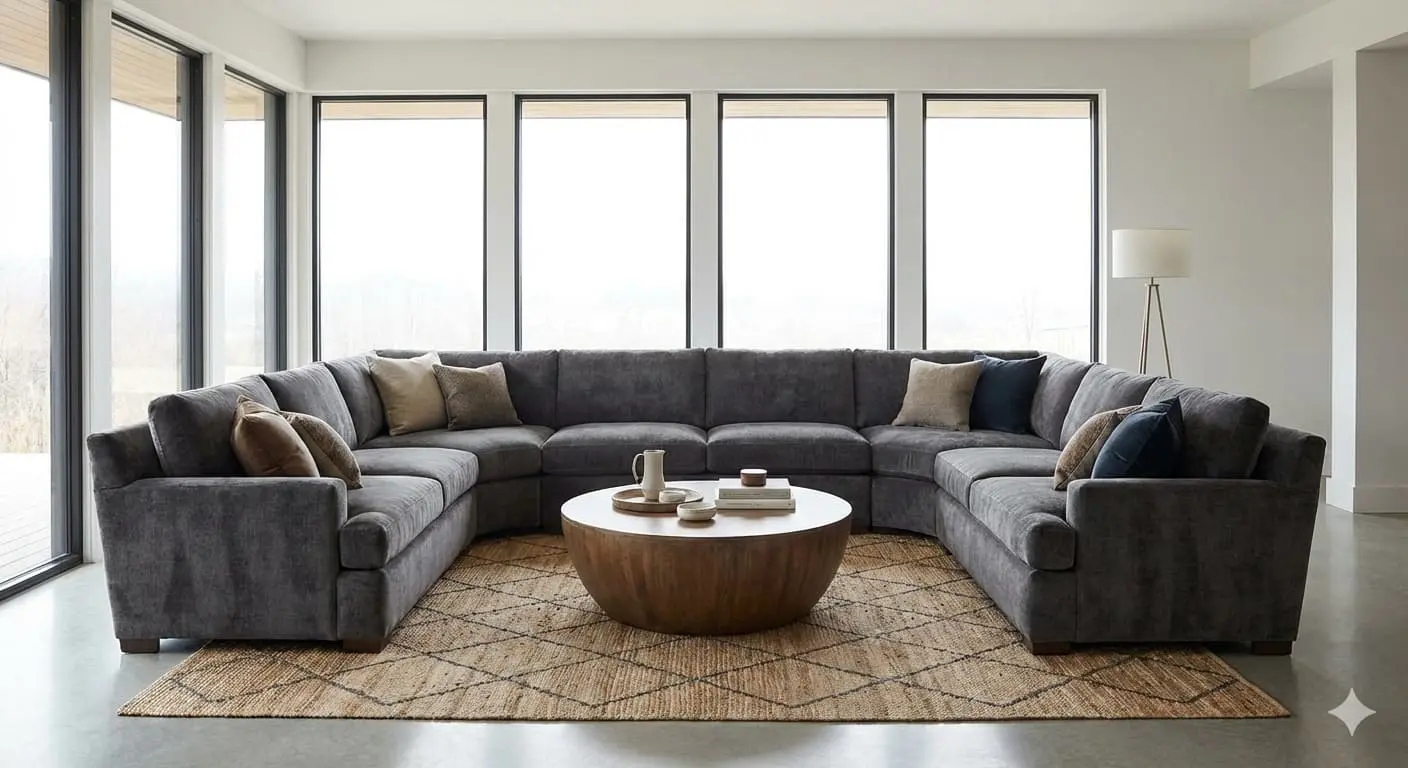
YA living room often carries more responsibility than any other space in your home. It’s where you unwind, host guests, and spend quiet moments that help you reset. When space is limited or layouts feel awkward, furniture choices matter even more. A well-chosen corner sofa can quietly solve multiple problems at once by improving flow, increasing seating, and making better use of available space.
Instead of filling a room with several mismatched pieces, a single seating solution can create order and comfort. When planned thoughtfully, it supports daily routines without dominating the room. This guide explores how to choose wisely, what styles work best, and how to integrate practical design decisions that last.
Table of Contents
Why Smart Seating Choices Matter in Modern Homes
Living spaces today are expected to do more than ever. One room may need to support relaxation, socializing, work, and entertainment. In that context, layout efficiency becomes essential.
A corner sofa works particularly well because it turns underused corners into functional seating zones. This approach allows you to seat more people while keeping the center of the room open, which helps even small living rooms feel organized and calm.
Key advantages include:
- Better use of wall space
- Fewer standalone chairs
- Clearer movement paths
These benefits make it easier to design a room that feels intentional rather than crowded.
How to Choose the Right Size and Configuration
Before focusing on color or fabric, start with measurements. Understanding your room’s dimensions prevents costly mistakes and layout frustration later.
When evaluating a corner sofa, consider:
- Wall length on both sides of the corner
- Total depth once placed
- Clearance for walkways and doors
Orientation also matters. A left- or right-facing design should align with windows, entrances, and natural movement patterns. Proper planning ensures the seating works with your room instead of against it.
10 Stylish & Space-Saving Seating Picks to Consider
Each of the following options focuses on balance—comfort, proportion, and long-term usability—rather than trend-driven features.
1. Compact L-Shaped Design for Small Apartments
A compact L-shaped corner sofa is one of the most practical solutions for apartments where every square meter matters. Its shape allows you to maximize seating while keeping the room visually open.
Key advantages include:
- Slim armrests that reduce bulk
- Raised legs that allow light to flow underneath
- Shallower seat depth to prevent overcrowding
- Better use of wall corners instead of center space
This type of layout helps small living rooms feel more structured without sacrificing comfort.
Ideal for small apartments, this compact L-shaped design maximizes seating without making the space feel crowded.
2. Modular Seating for Flexible Layouts
Modular seating gives you freedom that traditional furniture cannot. A modular corner sofa adapts as your living needs change, making it ideal for evolving households.
Why modular designs work well:
- Individual sections can be rearranged or separated
- Layouts can change with room size or function
- Easier to move in apartments or rentals
- Allows customization without replacing the entire sofa
This flexibility makes modular seating a long-term, practical choice rather than a fixed commitment.
3. Seating with Hidden Storage
In homes where storage is limited, furniture must serve more than one purpose. A corner sofa with built-in storage helps reduce clutter while keeping essentials close.
Common storage features include:
- Lift-up seat compartments
- Storage inside chaise sections
- Hidden space for blankets, pillows, or seasonal items
This approach reduces the need for extra cabinets or boxes, helping your living room stay organized and visually calm.
A practical solution for keeping blankets, pillows, or daily items neatly tucked away while maintaining a clean, stylish look.
4. Minimalist Profiles for Modern Interiors
Minimalist seating focuses on simplicity, proportion, and function. A clean-lined corner sofa fits seamlessly into modern interiors without drawing unnecessary attention.
Design characteristics to look for:
- Straight or gently curved lines
- Neutral or muted color palettes
- Low-profile frames
- Subtle textures instead of bold patterns
These features create a timeless look that remains relevant even as decor trends change.
5. Convertible Seating for Guest Use
Convertible designs are ideal when your living room occasionally needs to function as a guest space. A corner sofa with a sleeping mechanism adds flexibility without dedicating a separate room.
Benefits of convertible seating:
- Pull-out or fold-down sleeping surfaces
- Space-saving design compared to guest beds
- Maintains everyday seating comfort
- Useful for apartments and multi-purpose homes
This option balances hospitality with practicality, especially in smaller living spaces.
6. Scandinavian-Inspired Designs
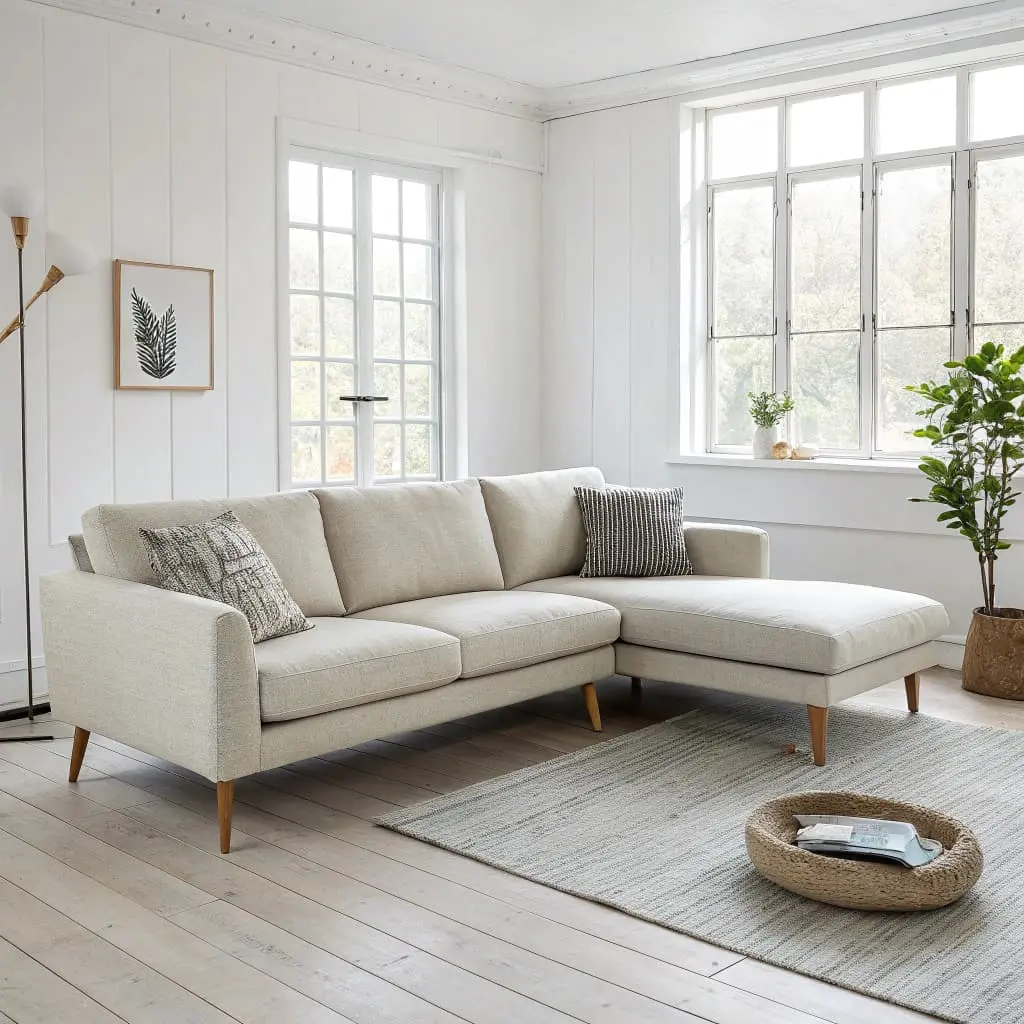
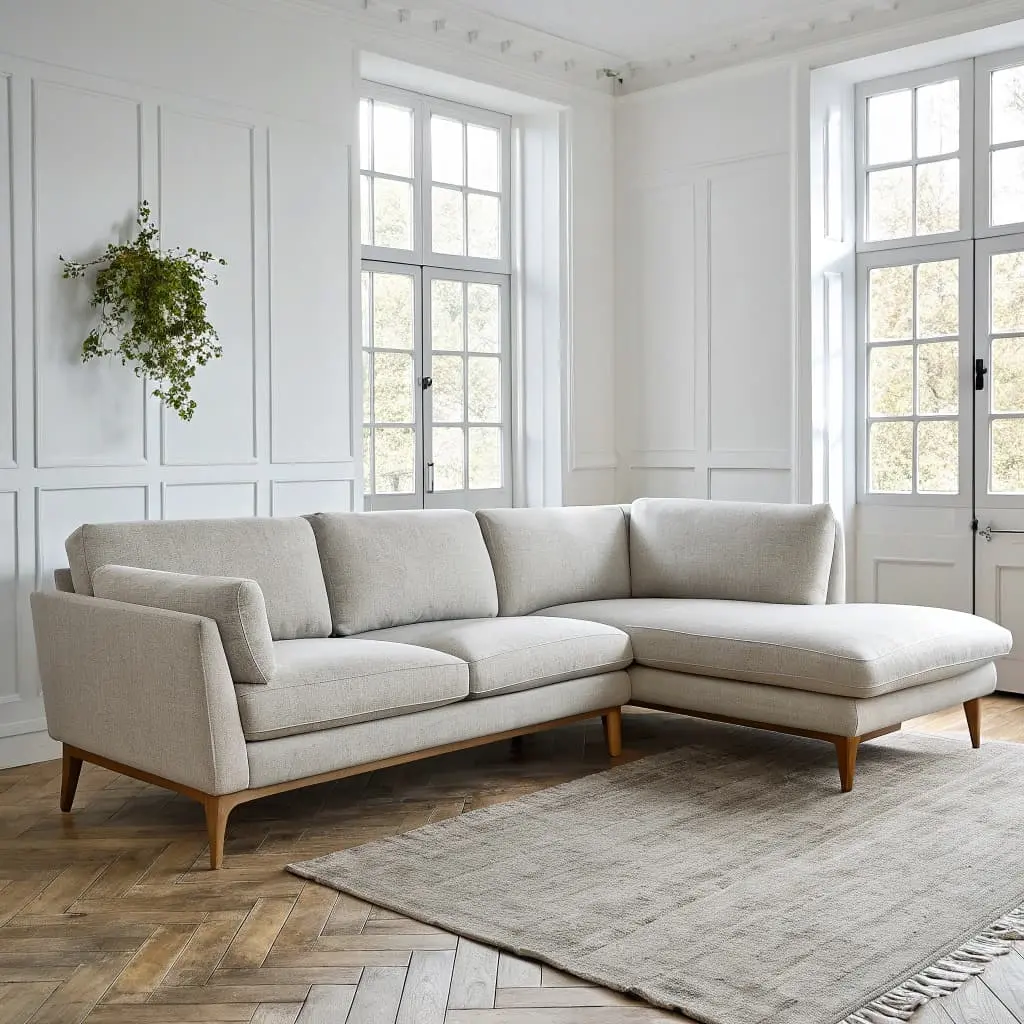
Scandinavian-style seating emphasizes comfort, light, and simplicity. A corner sofa in this style helps create a relaxed atmosphere without visual heaviness.
Typical design elements include:
- Light or neutral upholstery
- Natural wood legs or accents
- Soft, supportive cushions
- Simple, uncluttered forms
This style works well in both small and large rooms, enhancing brightness and warmth.
7. Velvet Upholstery for Added Texture
Velvet introduces depth and richness when used thoughtfully. A velvet corner sofa can become a subtle focal point without overwhelming the room.
Why velvet works:
- Soft texture adds visual interest
- Reflects light in a way that adds dimension
- Pairs well with neutral walls and simple decor
- Feels comfortable without appearing bulky
Choosing controlled tones—such as muted blues, greens, or grays—keeps the look refined.
8. Leather Upholstered Seating
Leather seating is valued for its durability and ease of maintenance. A leather corner sofa suits homes where longevity and practicality are priorities.
Key benefits include:
- Easy cleaning and spill resistance
- Strong wear performance over time
- Develops character rather than wearing out
- Works well in both modern and classic interiors
This option is particularly useful in high-traffic living rooms.
9. Low-Back Seating for Compact Rooms
Low-back designs help maintain openness in rooms where ceiling height or floor space is limited. A low-profile corner sofa keeps sightlines clear and the room feeling larger.
Why this design helps:
- Prevents visual blockage
- Enhances the sense of vertical space
- Works well with wall art or shelving above
- Keeps the layout light and balanced
It’s an effective solution for small or low-ceiling living rooms.
10. Budget-Conscious Designs with Smart Proportions
Affordability doesn’t have to mean compromise. A well-proportioned corner sofa can deliver comfort and function without unnecessary features.
What to prioritize on a budget:
- Correct scale for your room
- Simple construction with fewer moving parts
- Neutral upholstery for long-term use
- Comfort over decorative extras
Smart design choices often matter more than price, especially in everyday living spaces.
Each option can work well when matched correctly to your room size and lifestyle.
Layout Planning for Different Room Sizes
Small Living Rooms
A corner sofa can replace multiple seating pieces, but placement is key. Floating it slightly away from walls and pairing it with lightweight tables helps preserve flow.
Larger or Open-Plan Spaces
In open layouts, this seating style can define zones without adding partitions. Used thoughtfully, it separates living and dining areas while maintaining visual continuity.
Materials and Upholstery: What to Know Before Buying
| Upholstery Type | Common Materials | Best Use | Core Benefit |
|---|---|---|---|
| Fabric | Cotton blends, polyester | Daily comfort | Breathable and versatile |
| Leather | Natural or synthetic | High-traffic areas | Long-term durability |
| Performance Fabric | Treated synthetics | Busy households | Stain resistance |
| Frame Construction | Solid or engineered wood | Structural support | Stability over time |
Choosing materials based on lifestyle rather than appearance alone leads to better long-term satisfaction.
Common Mistakes to Avoid
Even well-designed furniture can disappoint if planning is rushed.
Avoid these issues:
- Choosing oversized seating that overwhelms the room
- Blocking walkways or door access
- Prioritizing appearance over comfort
A corner sofa should support daily use, not complicate it. Proportion and placement matter more than visual impact alone.
Care and Maintenance Tips
Long-term comfort depends on proper care.
Basic practices include:
- Rotating cushions to maintain shape
- Cleaning spills quickly
- Using fabric or leather protection when appropriate
Consistent maintenance extends both comfort and appearance.
Frequently Asked Questions
Is a corner sofa suitable for small living rooms?
Yes. When sized correctly, it often provides more seating with less clutter than separate sofas and chairs.
How do you choose the correct orientation?
Orientation depends on wall placement, windows, and traffic flow. Measuring carefully helps prevent layout issues.
Can this seating style replace multiple chairs?
In most cases, yes. One well-planned configuration often replaces several pieces while keeping the room unified.
What size works best for average homes?
Compact to mid-sized designs typically balance comfort and circulation space most effectively.
Final Thoughts: Making a Practical, Lasting Choice
A corner sofa is not just a design trend—it’s a practical response to how modern homes function. When chosen thoughtfully, it improves comfort, supports better layouts, and simplifies everyday living.
The most successful choices focus on:
- Accurate measurements
- Quality materials
- Realistic use cases
When these elements align, your living room becomes easier to use and more enjoyable over time.