
How to arrange the Best living room furniture in 2026
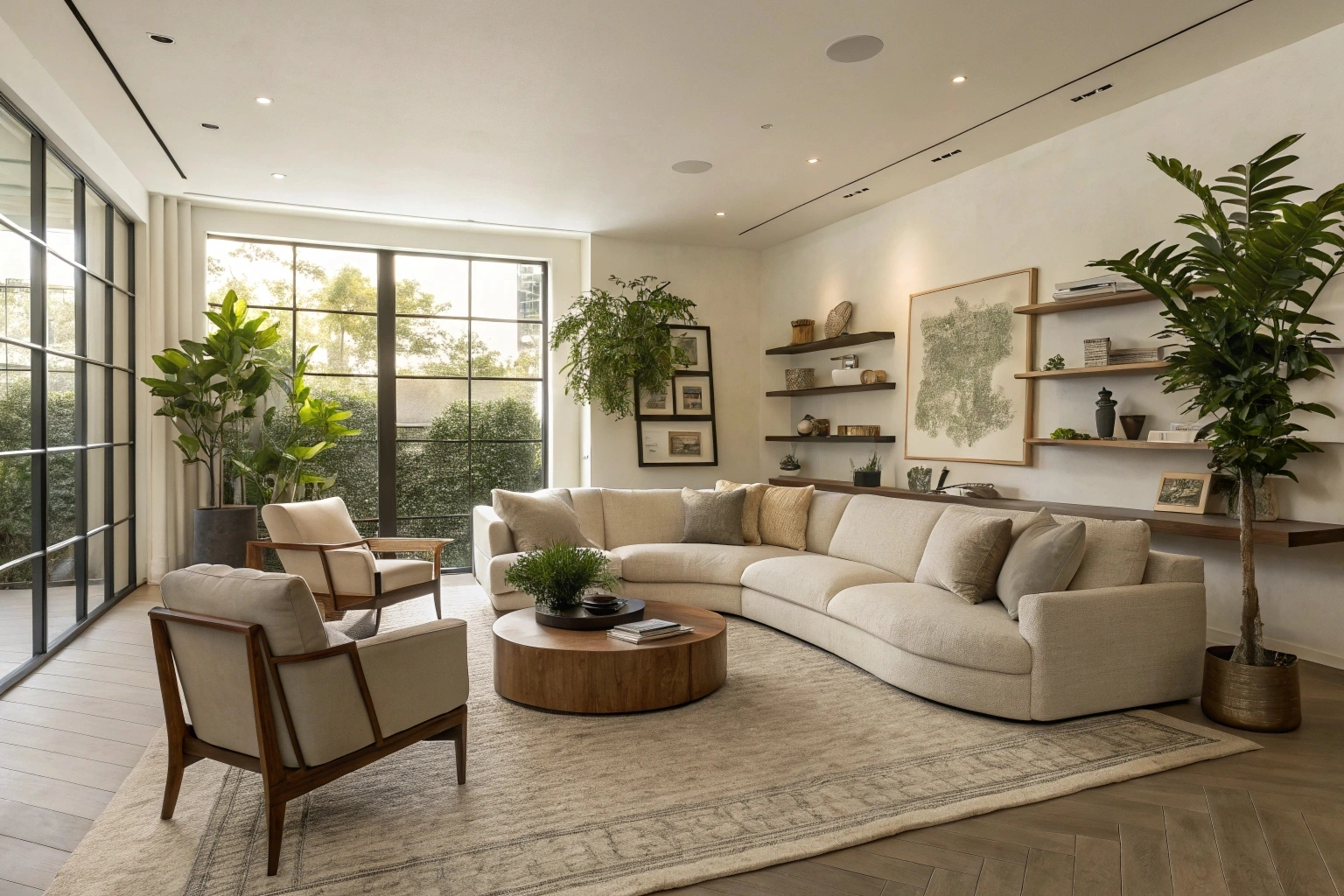
Arranging your living room in 2026 is no longer just about placing a sofa and a table. It’s about creating a space that feels harmonious, intentional, comfortable, and connected to your lifestyle. Whether your room is large or small, open or narrow, the right approach can transform your space from “ordinary” to “inspiring.”
This guide gives you a complete, detailed, and practical method to arrange your living room furniture efficiently and beautifully, following the most updated interior design rules for 2026.
Table of Contents
Understanding the 2026 Living Room Layout Trends
Interior design trends in 2026 revolve around balance, multifunctionality, and emotional comfort. Designers focus on flow, visibility, and creating rooms that adapt to different activities—relaxation, entertainment, reading, hosting, or work.
Before arranging anything, you must understand your room dimensions, your natural walking paths, and the position of fixed features like doors, windows, and outlets.
Start With a Clear Focal Point
A focal point is the “anchor” of your room—the element that guides where you place your living room furniture and how the flow forms around it.
Common focal points in 2026:
- A large window with natural light
- A modern electric fireplace
- A statement TV wall
- A bold artwork
- A minimalist shelving system
How to choose your focal point
Pick a point that blends function and beauty. If you watch TV daily, design around it. If you prefer natural light, your sofa should face the window.
Map Out Your Traffic Flow
Traffic flow in 2026 prioritizes freedom of movement. You want people to walk comfortably without squeezing between pieces.
Rules to follow:
- Leave 90–100 cm as a walking path behind sofas or chairs
- Keep 45 cm between the sofa and coffee table
- Avoid placing living room furniture in front of doorways
- Keep corners open to avoid a cramped feeling
Choose the Right Sofa Placement
Your sofa is the largest piece of furniture and determines the entire structure of your room.
Placement options:
Against a Wall
Perfect for small rooms to maximize space.
Floating in the Center
Ideal for open spaces; creates zones and enhances flow.
L-Shaped or Sectional Arrangement
Works well for families and entertainment-focused setups.
When choosing your sofa placement, think about:
- Visibility to the focal point
- How people enter and exit the room
- Whether you need additional seating
This is also where repeating the keyword becomes natural: choosing the right sofa position helps you organize the rest of your living room furniture efficiently.
Balance the Room With Chairs and Secondary Seating
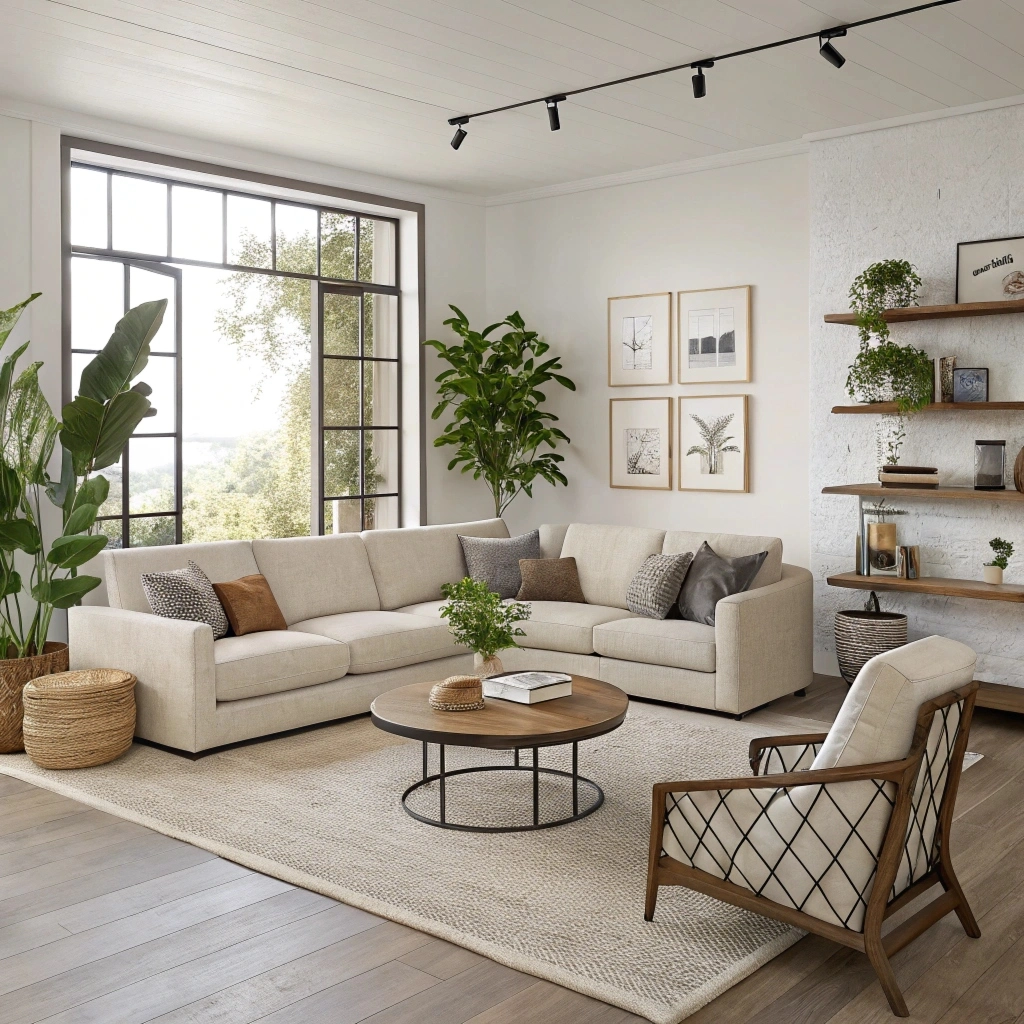
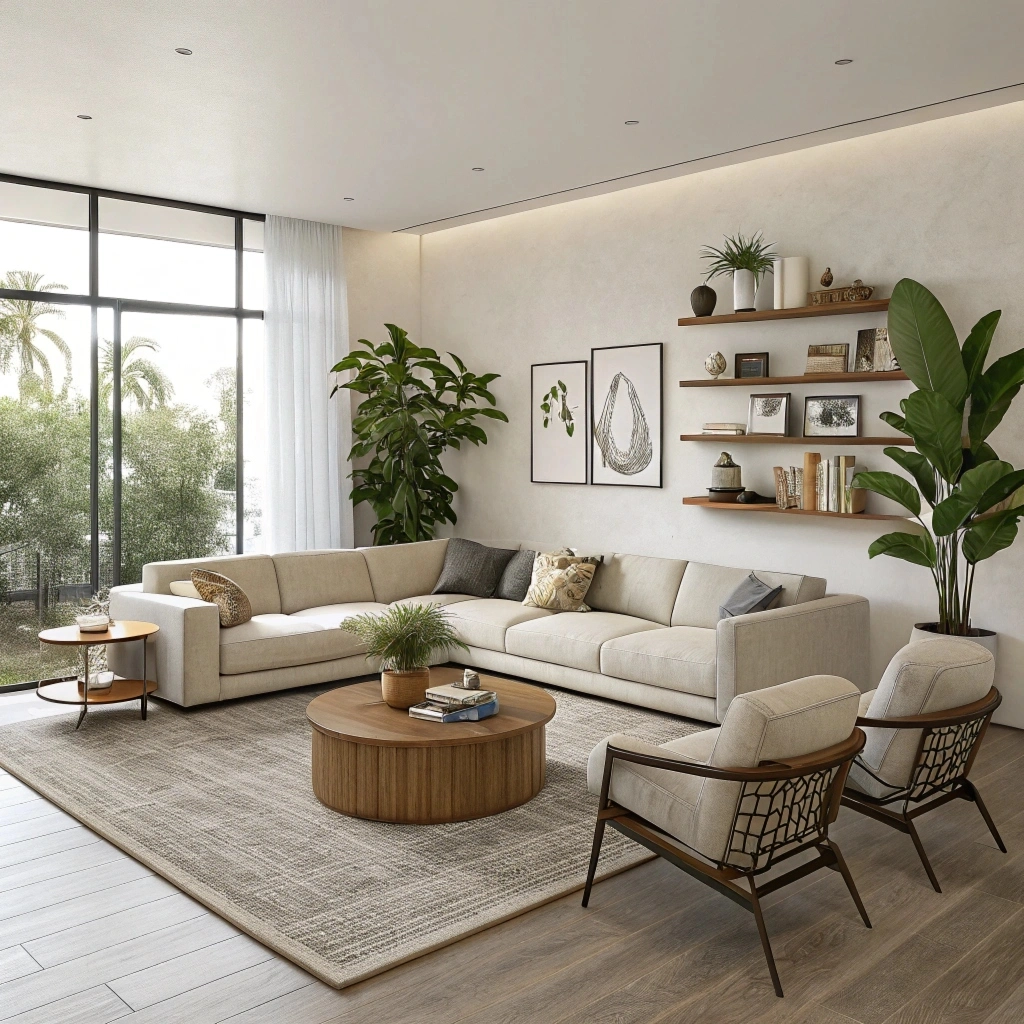
Chairs should complete the visual symmetry. They must not block pathways or create “heavy” corners.
Tips for chairs in 2026:
- Use airy, curved designs to soften angles
- Place chairs opposite the sofa for conversation-friendly layouts
- Combine textures like velvet, leather, and linen
- Keep chairs lighter than the main sofa
Secondary seating is a chance to enhance your living room furniture plan without overwhelming the layout.
Use Tables to Complete the Space
Tables add functionality and style to your arrangement. The right measurements are essential.
Coffee Table Rules (2026):
- Length: half to two-thirds of the sofa length
- Distance: 45 cm from seating
- Height: same height as sofa cushions
Side Table Rules:
- Height: equal to or slightly above sofa arm
- Placement: next to sofas or chairs for convenience
Every piece of table design enhances how your living room furniture interacts as a whole, especially when chosen intentionally.
Create a Sense of Harmony With Rugs
Rugs anchor the entire room layout.
Rug Rules (2026):
- Large rooms → all furniture legs on the rug
- Medium rooms → front legs only
- Small rooms → rug placed under the coffee table
A rug’s purpose is to visually unite your living room furniture into one cohesive zone.
Lighting: The Secret Element Behind a Perfect Layout
Lighting in 2026 is multi-layered and purposeful.
Types of lighting to include:
- Ambient lighting (ceiling)
- Accent lighting (spotlights, wall lamps)
- Task lighting (floor or table lamps)
Lighting highlights your living room furniture, improves the atmosphere, and adds sophistication.
Add Decorative Layers Without Crowding the Space
Decor is essential, but moderation is key. Overloading decorations disrupts balance.
Smart decoration tips:
- Combine textures: wood, metal, linen, rattan
- Use vertical space with tall plants or bookshelves
- Keep surfaces clean
- Use neutral foundations and add a few bold accents
Adding decor that complements your living room furniture creates a cozy and intentional environment.
Smart Furniture for Modern Homes
2026 brings in furniture that adapts to your lifestyle.
Examples:
- Extendable coffee tables
- Sofas with hidden storage
- Charging-dock side tables
- Modular shelves
These innovative choices help your living room furniture remain functional and space-efficient.
Small Living Rooms: How to Arrange With Purpose
Small spaces require smart design.
Tips:
- Use slim-profile sofas
- Mount the TV on the wall
- Choose armless chairs
- Avoid bulky pieces
- Use mirrors to enlarge the space
Small spaces still allow you to optimize your living room furniture if you follow these principles.
Large Living Rooms: How to Avoid Empty Space
Large rooms need intentional zoning.
Ideas:
- Create two seating zones
- Add a reading corner
- Use oversized rugs
- Place a console behind the sofa
Designing a large space means placing your living room furniture thoughtfully so it does not feel empty or disconnected.
The Best Color Palettes for 2026
Color trends in 2026 focus on natural comfort.
Top colors:
- Cream and warm beige
- Soft olive green
- Muted terracotta
- Sandstone
- Charcoal and deep gray
Colors can dramatically influence how your living room furniture blends with the overall atmosphere.
Functional Tables (Optional Recipe Table Example)
Here’s a sample table formatted for WordPress, as you requested for articles that use recipes or organized information:
Example Table: Ideal Furniture Measurements (2026)
| Furniture Piece | Ideal Dimensions | Why It Matters |
|---|---|---|
| Sofa | 84–96 inches | Fits proportionally in most spaces |
| Coffee Table | 45–60 inches | Comfortable viewing distance |
| Side Table | 22–26 inches tall | Easy reach from seating |
| Rug | 8×10 or 9×12 | Anchors layout effectively |
This table helps you select the right proportions so your living room furniture feels balanced and visually appealing.
Avoid These Common Mistakes in 2026
Mistakes to avoid:
- Pushing all furniture against the walls
- Blocking natural light
- Ignoring balance between heavy and light pieces
- Using a rug that is too small
- Choosing clashing colors
Avoiding these will ensure your living room furniture arrangement looks modern and intentional.
Conclusion
Arranging your space in 2026 is an opportunity to create a living room that truly reflects your needs, personality, and comfort level. When you understand flow, proportions, color harmony, and lighting, you can place your living room furniture in a way that elevates your daily life and makes your home feel complete.
Design with intention. Adjust with confidence. And let your living room become a space you’re proud of every single day.
FAQ About Living Room Furniture in 2026
1. What is the best way to place living room furniture in a small living room?
Choose slim pieces, wall-mounted TV stands, and avoid blocking light.
2. How do I choose a rug that fits my living room furniture?
Select a rug where at least the front legs of all seating rest on it.
3. Should all my living room furniture match in color?
Not necessarily — mixing tones creates warmth and visual interest.
4. Is it better to float my sofa or push it against the wall?
Floating enhances space flow in large rooms; wall placement is ideal for small rooms.
5. What lighting works best with living room furniture?
Layered lighting: ambient + task + accent lights.