
Accent Walls In Living Room: 8 Best Bold & Stylish Ideas
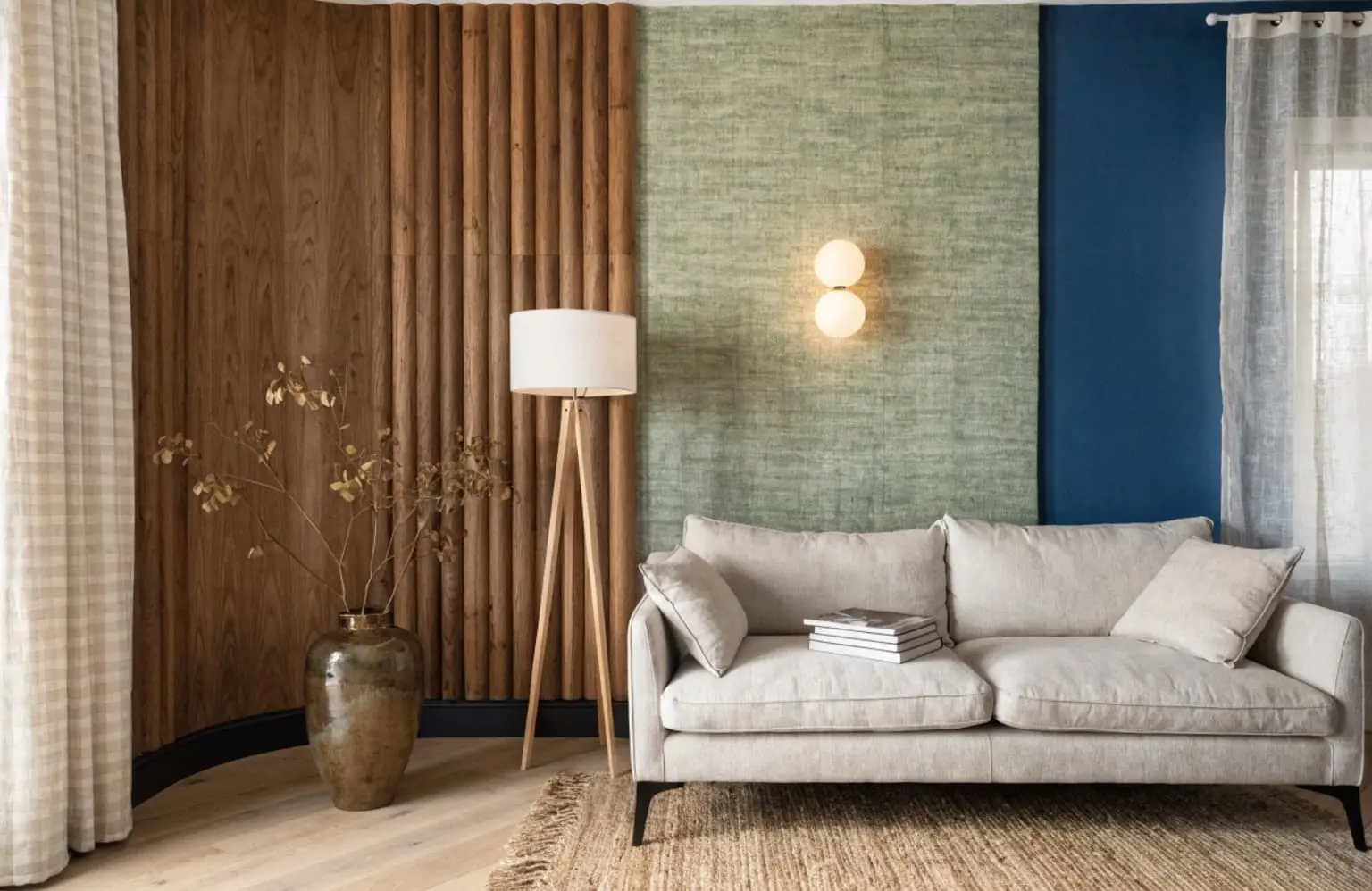
Your Living Room Feels… Incomplete
You walk into your living room and everything looks acceptable—but nothing stands out.
The furniture is in place. The colors are safe. The layout works. Yet the space lacks presence.
It doesn’t draw you in. It doesn’t feel designed. It just exists.
That usually comes down to one missing element: a focal point.
This is exactly where accent walls in living room design make a difference. One intentional wall can shift the entire atmosphere—from flat and forgettable to structured, layered, and visually strong.
You don’t need a full renovation. You need one decision that actually changes how your space feels.
Why Accent Walls In Living Room Matter More Than You Think
The Role of a Focal Point
Every well-designed room has a clear visual anchor. Without it, your eyes move without direction.
An accent wall:
- Creates hierarchy in the space
- Guides where attention goes first
- Supports furniture placement
When done correctly, it gives your room structure.
Why Most Living Rooms Feel Flat
If your space feels dull, it’s usually because:
- All walls are the same color
- There’s no contrast
- Textures are missing
Uniformity may feel safe, but it removes depth.
What Changes When You Add an Accent Wall
Once you introduce contrast:
- The room gains dimension
- Furniture looks more intentional
- The space feels curated rather than random
This is why accent walls in living room setups are widely used in modern interior design—they solve multiple problems at once.
How to Choose the Right Accent Wall for Your Living Room
1. Start with the Right Wall
Not every wall should be highlighted.
The best options are:
- The wall behind your sofa
- The TV wall
- The first wall you see when entering
These positions naturally attract attention.
2. Choose the Right Material or Style
Different materials create different effects:
- Paint → simple, cost-effective, clean
- Wood panels → warm, textured, inviting
- Wallpaper → versatile, pattern-driven
- Stone or brick → bold, structural, high-impact
Your choice should match your overall style.
3. Align with Your Existing Decor
Your accent wall should not feel disconnected.
Make sure it:
- Matches your furniture tone
- Complements your color palette
- Enhances—not competes with—your layout
Quick Decision Checklist
Before committing, ask yourself:
- Does this wall naturally stand out?
- Will this design add contrast?
- Does it support the room’s flow?
If the answer is no, reconsider.
8 Best Accent Walls In Living Room Ideas That Actually Work
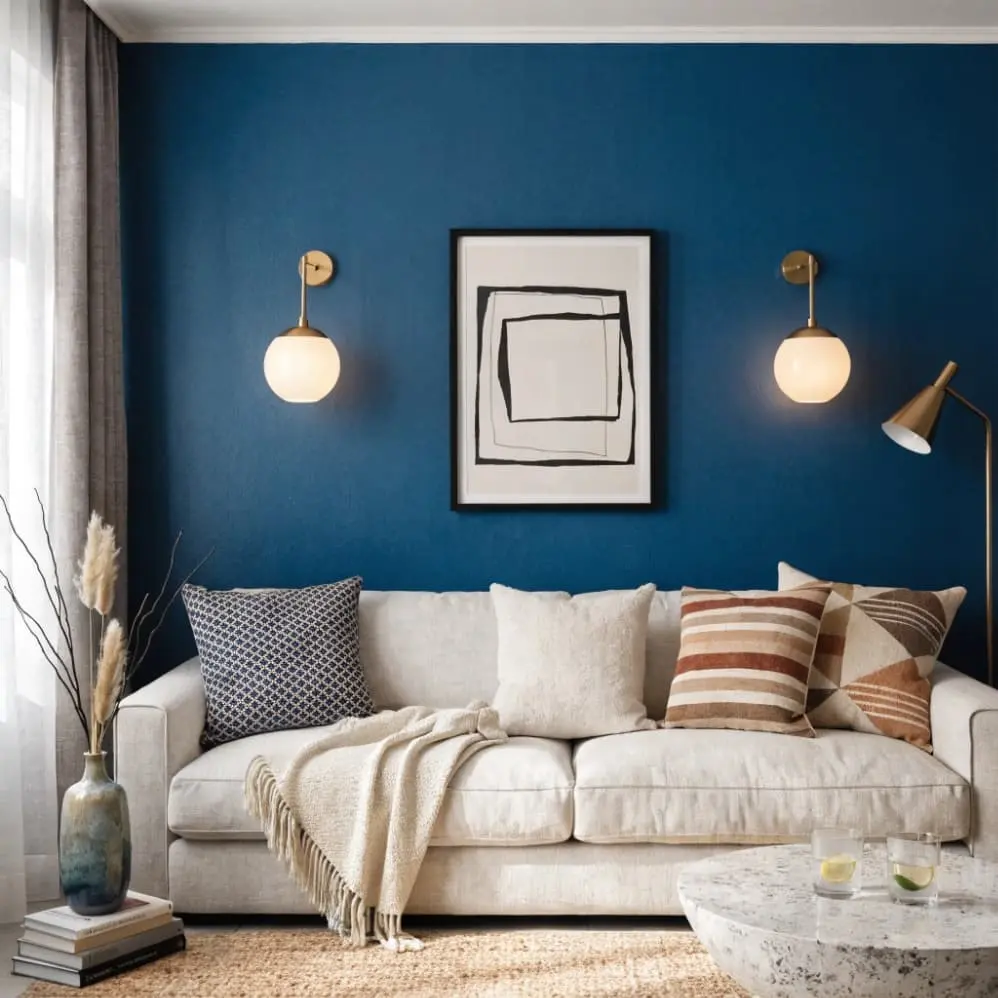
1. Bold Paint Color Accent Wall (Simple but Effective)
Why It Works
Paint is the fastest way to introduce contrast.
A deep green, navy blue, or even terracotta can instantly change how your room feels.
What You Gain
- Immediate visual impact
- Low cost transformation
- Full control over tone
Best Use Case
You want a noticeable change without heavy work.
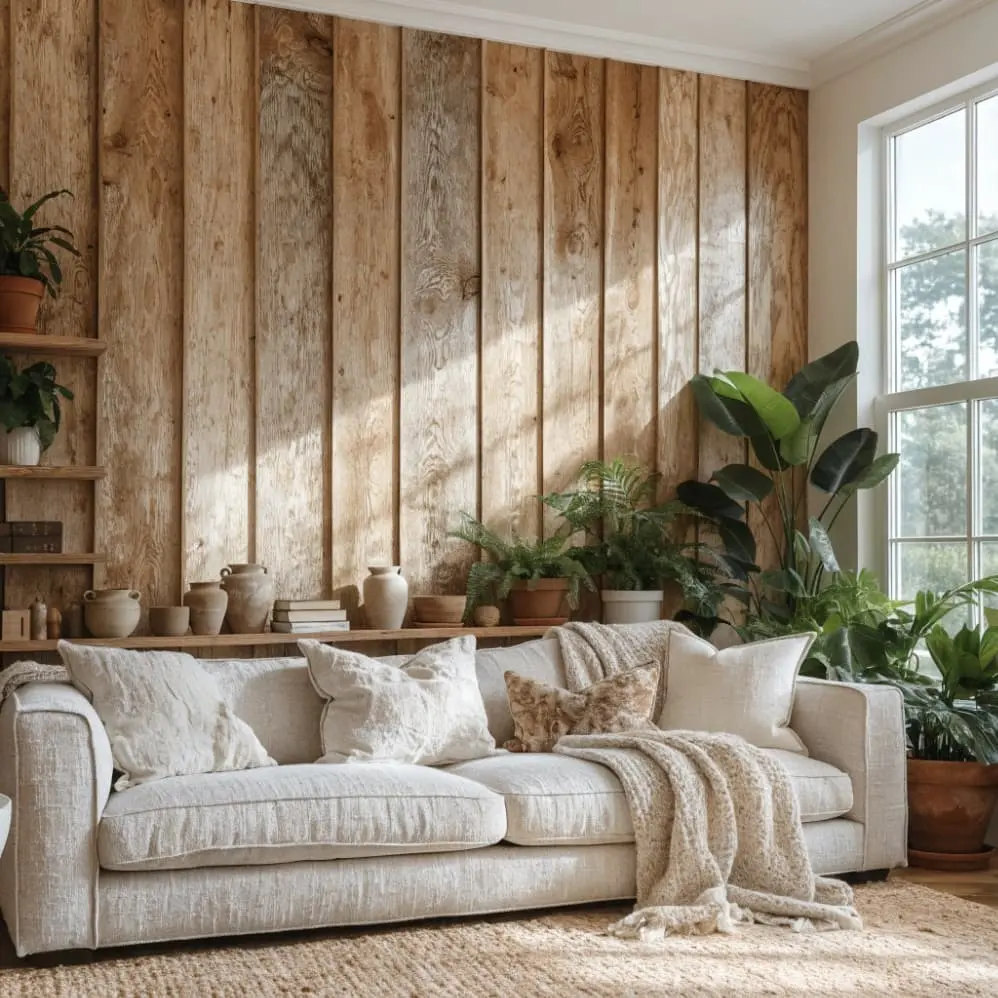
2. Wood Panel Accent Wall (Warm & Structured)
Why It Works
Wood adds texture and warmth—two things most living rooms lack.
It softens modern spaces and balances darker furniture.
What You Gain
- Natural depth
- Cozy atmosphere
- Timeless look
Best Use Case
You want a space that feels more inviting and less sterile.
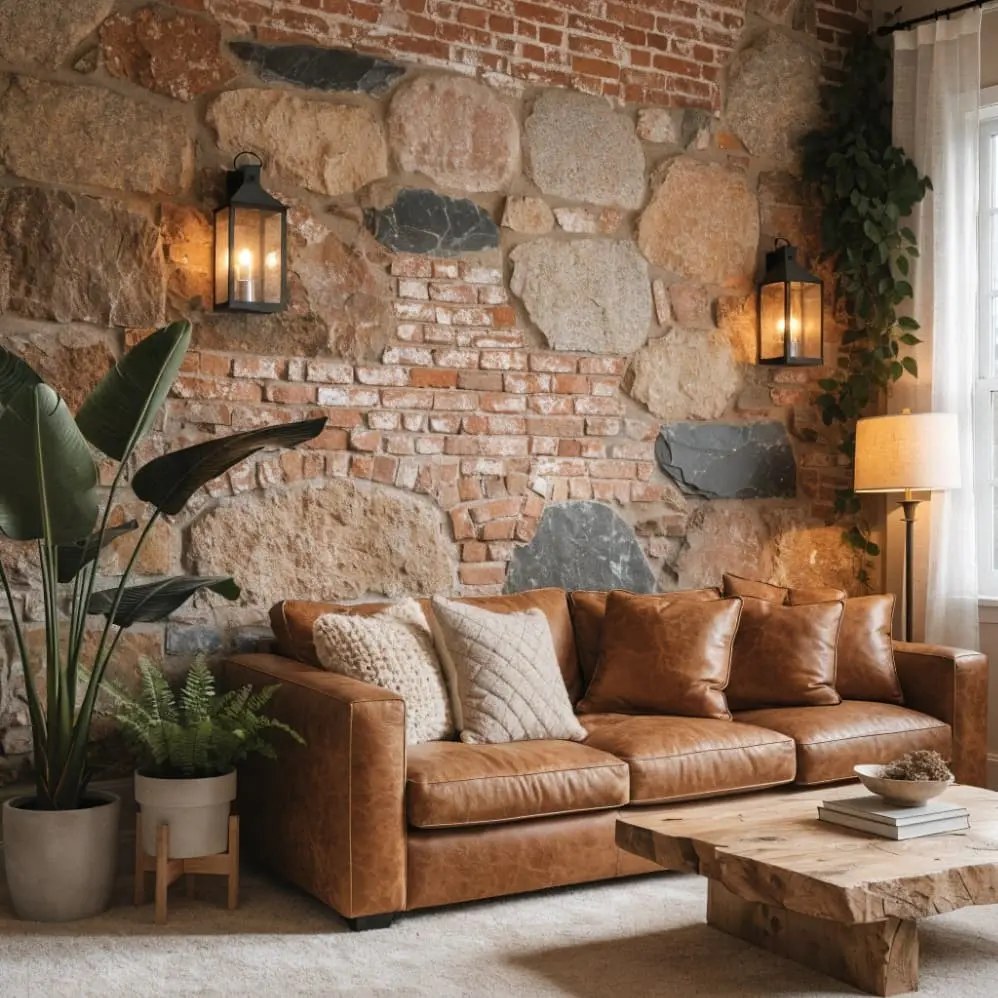
3. Stone or Brick Accent Wall (Strong Visual Statement)
Why It Works
Stone and brick introduce raw texture and weight.
They don’t just decorate the room—they define it.
What You Gain
- High-end aesthetic
- Strong focal point
- Long-term durability
Best Use Case
You want a bold, architectural look.
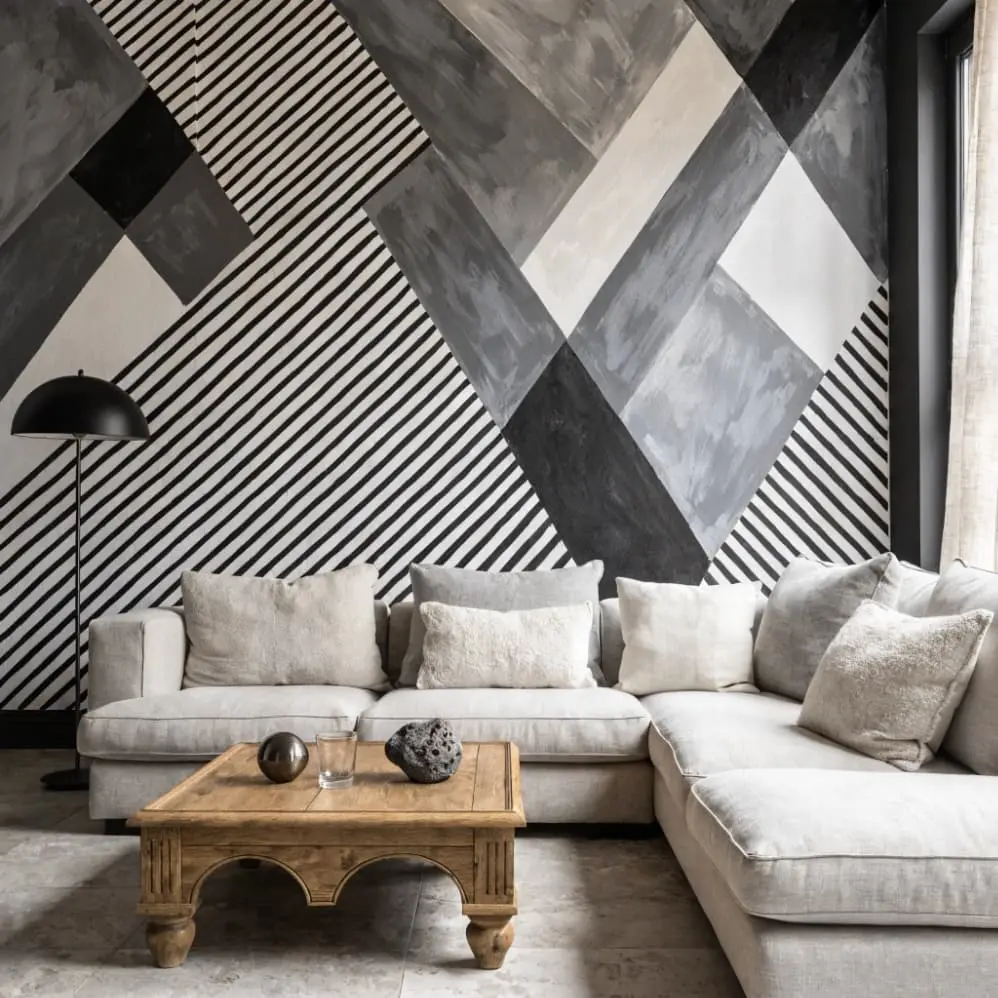
4. Geometric Pattern Accent Wall (Modern & Dynamic)
Why It Works
Patterns break repetition and create movement.
Geometric designs add energy without clutter.
What You Gain
- Unique visual identity
- Contemporary feel
- Custom design potential
Best Use Case
You want something different that still feels controlled.
5. Wallpaper Accent Wall (Flexible & Stylish)
Why It Works
Wallpaper gives you options that paint cannot—patterns, textures, and prints.
What You Gain
- Endless design choices
- Easy updates
- Controlled visual impact
Best Use Case
You want flexibility and creativity without permanent changes.
6. Black Accent Wall (Bold & Minimal)
Why It Works
Black creates depth and contrast like no other color.
When balanced correctly, it feels intentional—not heavy.
What You Gain
- Dramatic effect
- Strong contrast
- Modern aesthetic
Best Use Case
You want a clean but powerful design statement.
7. Gallery Wall Accent (Personal & Expressive)
Why It Works
Instead of changing the wall itself, you build the accent using art.
What You Gain
- Personal connection
- Flexible layout
- Easy updates over time
Best Use Case
You want your space to reflect your personality.
8. Textured Wall Panels (Luxury & Depth)
Why It Works
Texture adds dimension that flat surfaces can’t provide.
Panels create shadows, highlights, and depth.
What You Gain
- High-end finish
- Sophisticated look
- Visual richness
Best Use Case
You want a premium, designer-level space.
Accent Walls In Living Room Comparison Table
| Accent Wall Type | Main Element | Visual Impact | Cost Level | Best For |
|---|---|---|---|---|
| Paint | Color | High | Low | Quick updates |
| Wood Panels | Texture | Medium | Medium | Cozy feel |
| Brick/Stone | Structure | High | High | Statement walls |
| Geometric | Pattern | High | Medium | Modern style |
| Wallpaper | Design | Medium | Medium | Flexibility |
| Black Wall | Contrast | High | Low | Bold look |
| Gallery Wall | Art | Medium | Low | Personal style |
| Textured Panels | Depth | High | Medium | Luxury finish |
How to Style Accent Walls In Living Room for Maximum Impact
Keep Surroundings Controlled
If everything stands out, nothing stands out.
- Use simple furniture
- Avoid clutter
- Let the wall lead
Use Lighting to Enhance the Effect
Light changes how your accent wall appears.
Focus on:
- Natural light exposure
- Floor or wall lighting
- Subtle highlights
Align Furniture with the Wall
Your layout should support the accent.
For example:
- Place the sofa in front of the wall
- Center your TV setup
- Keep symmetry where possible
Common Mistakes to Avoid
- Choosing a random wall without purpose
- Using colors that clash with furniture
- Overcomplicating the design
- Ignoring room size and proportions
Each mistake reduces clarity and impact.
Pro Tips for a Designer-Level Accent Wall
Combine Texture and Color
Flat color works. Texture works. Together, they create depth.
Use Contrast Intentionally
Contrast should feel planned—not accidental.
Think Long-Term
Trends change. Structure stays.
Choose designs you can live with over time.
FAQ – Accent Walls In Living Room
What are accent walls in living room design?
They are walls designed to stand out visually, creating a focal point in the room.
Which wall should be an accent wall?
Usually the most visible wall—behind the sofa or TV.
Are accent walls still relevant today?
Yes. Modern designs focus more on texture and subtle contrast rather than extreme colors.
Can accent walls make a room look bigger?
Yes, especially when using lighter tones or vertical patterns.
How do I choose colors for accent walls in living room?
Start with contrast, then adjust to match your existing palette.
Do accent walls work in small living rooms?
Yes, when used carefully. Avoid overly dark or complex designs in tight spaces.
Conclusion: One Wall Can Change Everything
Right now, your living room might feel:
- Flat
- Unstructured
- Or visually weak
But you don’t need to replace your furniture or redesign the entire space.
You need one strong decision.
That’s what accent walls in living room design offers—a focused upgrade with maximum impact.
Choose one idea from this list and apply it.
Start simple:
- Pick the right wall
- Add contrast
- Keep everything else controlled
Once that wall is done, your entire living room will feel different.
And more importantly—it will finally feel intentional.